
Entryway Drop Zone Ideas That Work in Any Home
Entryway drop zone ideas for small and large entries: where to put it, what storage to use, how families share it, and how to light it well.
Browse every guide and room recipe, or narrow the archive to the subject you need.
80 articles
Entryway drop zone ideas for small and large entries: where to put it, what storage to use, how families share it, and how to light it well.

Plug-in pendant lights add a hanging fixture with no wiring. Learn how to pick size, bulb and cord, hang one neatly, and keep it safe in a rental or your own home.

Learn how lamp shade sizes work, how to read Top x Bottom x Slant, and how to match width, height and fitter to your lamp with simple rules and examples.

Magnetic track lighting explained for homeowners: how the system works, what it costs to plan, dimmer pitfalls, wiring rules and where it fits best.

Room darkening and blackout are not the same. See how much light each blocks, where light still leaks, and which one fits your bedroom, nursery or media room.

Pet friendly rugs, explained: which fibers, piles and patterns survive dogs and cats, how washable rugs really perform, and how to keep them clean.

Practical garage lighting ideas: how many lumens you need, which LED fixtures and color temperatures to pick, and how to zone parking, storage and workbench.

A practical guide to swag pendant lighting: how plug-in swags work, where to place them, how to pick the bulb, and how to hang the cord safely.

Find track lighting ideas for kitchens, living rooms, and more, with pendants, practical aiming and spacing advice, plus energy saving LED guidance.

Explore 10 living room toy storage ideas that hide clutter with furniture, baskets, and carts, while keeping toys accessible and the room's style intact.

Plan open concept lighting around furniture zones with ambient, task, and accent layers. Match color temperature and dim each LED zone independently.

Build smart scenes around circadian targets and home design: reach 250 lux melanopic EDI by day, 10 lux or less before bed, and near 1 lux during sleep.

Mount shades closest to the glass, then layer sheers and drapes for privacy, light control, and insulation. Learn when 3–4 inches of clearance prevents snags.

Mount your smart doorbell about 48 inches high, angle it for clear faces, and balance motion coverage with curb appeal and neighbor privacy.

Learn why fit and sealed edges matter more than “blackout” labels, compare shades and curtains, and find temporary fixes for a darker bedroom tonight.

Place your thermostat on an interior wall at the right height, avoid sun and vents, and keep it stylish without sacrificing accurate readings or comfort.

Choose 2700K for cozy, traditional living rooms or 3000K for modern spaces and daytime activity. Learn how decor, sleep, CRI, and dimmers shape the choice.

Design first help for homeowners choosing Zigbee or Z-Wave. Zigbee fits dense lighting; Z-Wave works better for locks, outdoor sensors, and larger homes.

Renter friendly no-drill ways to hide TV wires: paintable raceways, cable sleeves, short cables, and mount tricks. Clear safety rules to avoid code...

Fix most LED bulb flicker yourself in under 10 minutes. Follow quick checks to pinpoint bulb, dimmer, or wiring issues, plus shopping and safety steps...

Research backed bedroom lighting that protects sleep: keep evening light under 10 lux and sleep under 1 lux. Use warm tones, dimmers, and timers.

Build a pet friendly smart home that hides tech and stays reliable with Matter compatible devices, pet proofing, and simple automations.

A design-first, practical guide to mounting a wall soundbar. Learn ear-height positioning, the 4 in (10 cm) clearance, Dolby Atmos notes, and cable-hiding...

Practical under-stair storage for homeowners. Measure the wedge, match drawers or shelves to each zone, try budget DIY, and plan lighting for real usability.

Learn when to use Thread or Wi‑Fi for common smart devices, why a Border Router matters, and how to place gear so your home stays invisible.

Treat your TV as one framed piece: use the 4–6 inch spacing rule, layout templates, safe mounting, and layered lighting to integrate the screen with your...

Measure air temperature 6–12 inches from the wall while the fireplace runs 15–30 minutes. Compare readings to your TV manual, then shield, ventilate, or...

Brighten a dark living room without losing its moody look. A five step, design-forward plan with starter budgets, safety tips, and renter-friendly DIY moves.

Room by room lighting advice for homeowners: when to use ambient vs task light, lumen and CCT targets, placement tips, and questions to ask before you buy.

Space island pendants with three practical formulas, then verify hanging height, edge clearance, and fixture scale with a simple mock-up.

Design minded, safety first tips to hide speaker wires: five practical methods, paint ready finishes, CL2/CL3 in wall cable guidance, and installer tricks.

Map furniture into activity zones, layer ambient, task, and accent lighting with zoned controls, then test from the main seat in one week.
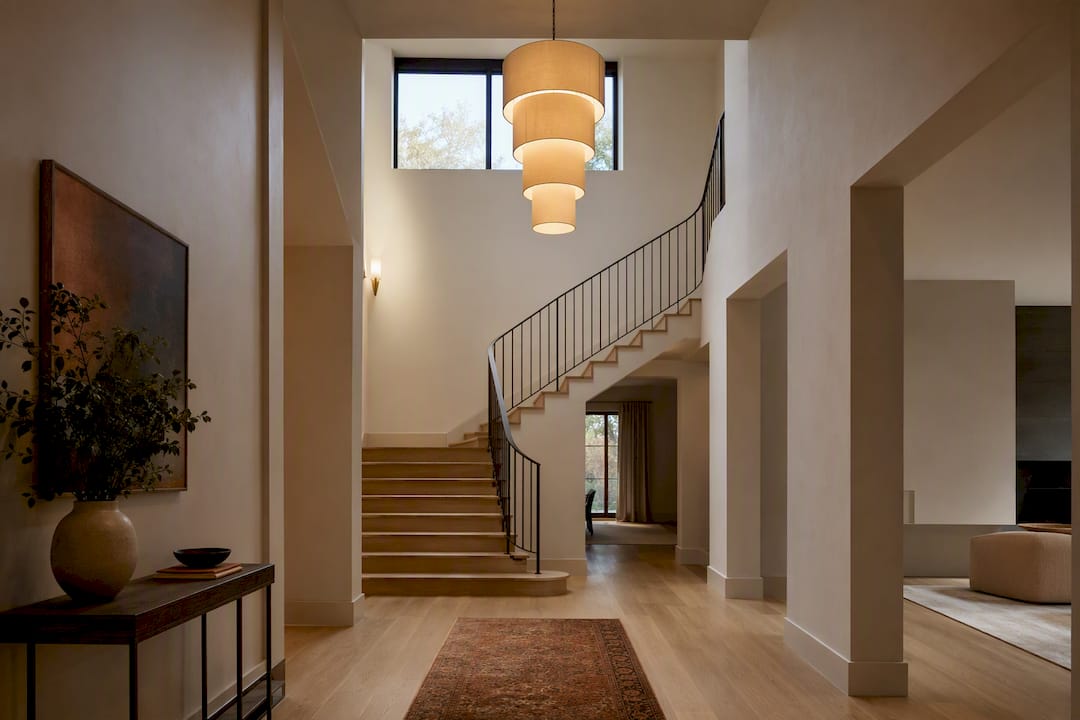
Choose foyer fixtures with a simple sizing formula, safe seven-foot clearance, warm bulbs, hanging-height guidance, and renter-friendly options.
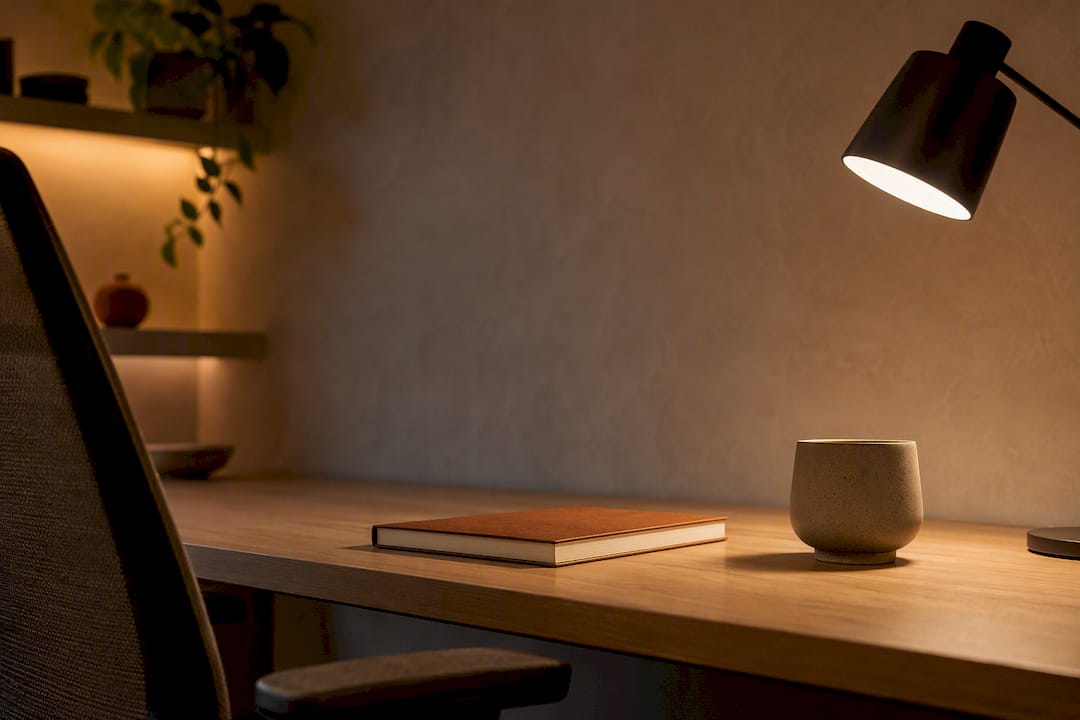
Reduce screen glare and reach 300–500 lux at your desk with layered ambient and task lighting, smart controls, and no-rewire fixes.
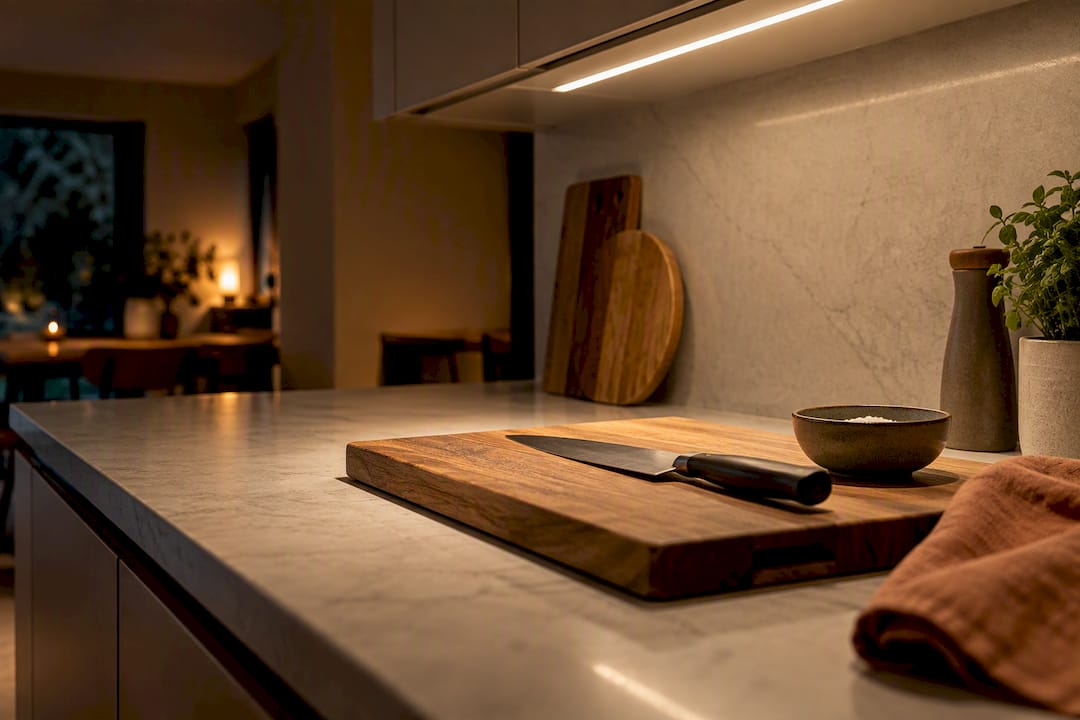
Under cabinet lighting specs for homeowners: 500 lux and 200 to 500 lumens/ft, CCT and CRI guidance, plus mounting tips and a DIY install checklist.
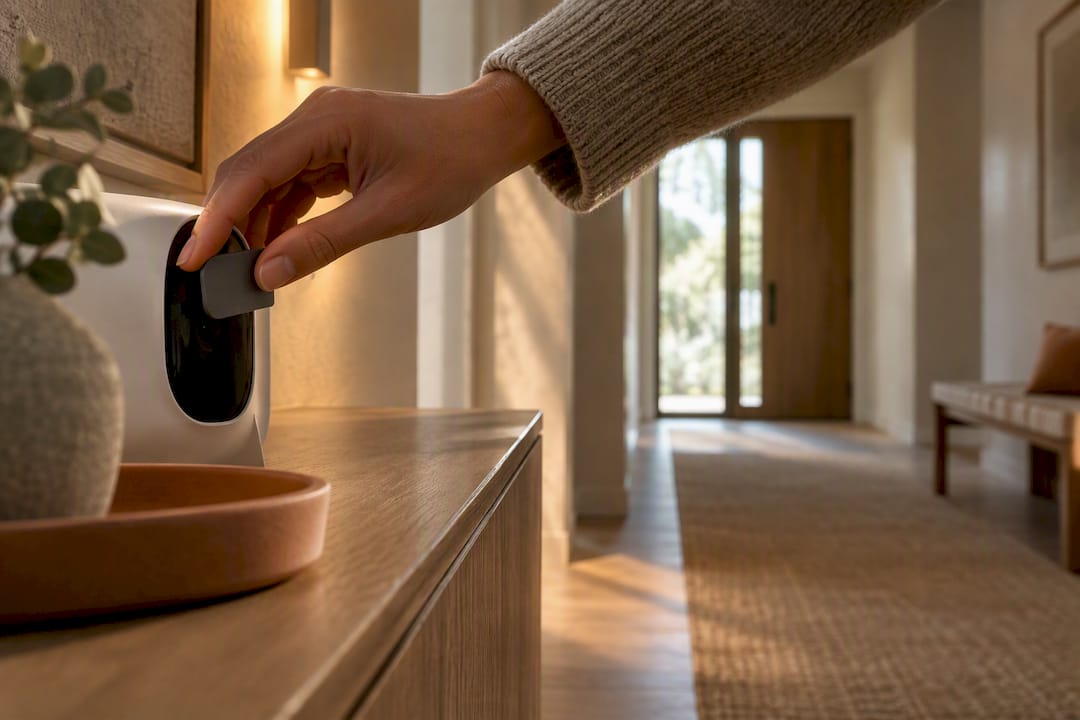
Secure smart home privacy the design-first way: cut cloud use, isolate devices on their own network, and use unique passwords with MFA.
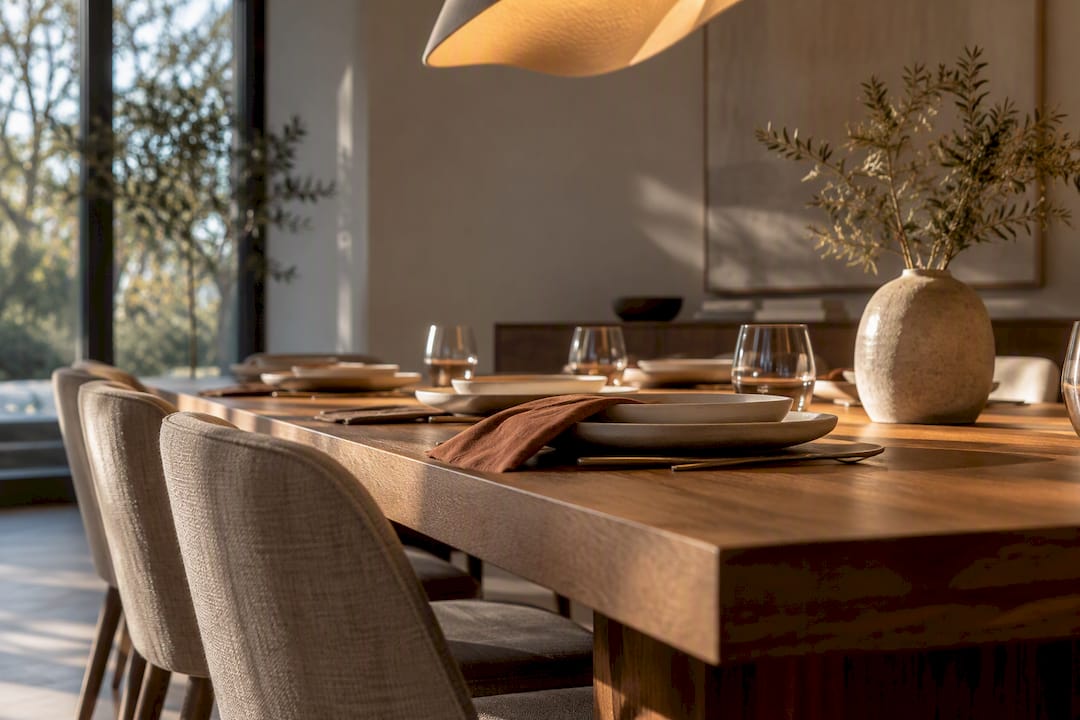
Plan dining room lighting with exact fixture sizing, hanging heights, warm bulb specifications, dimmer guidance, and safety checks.
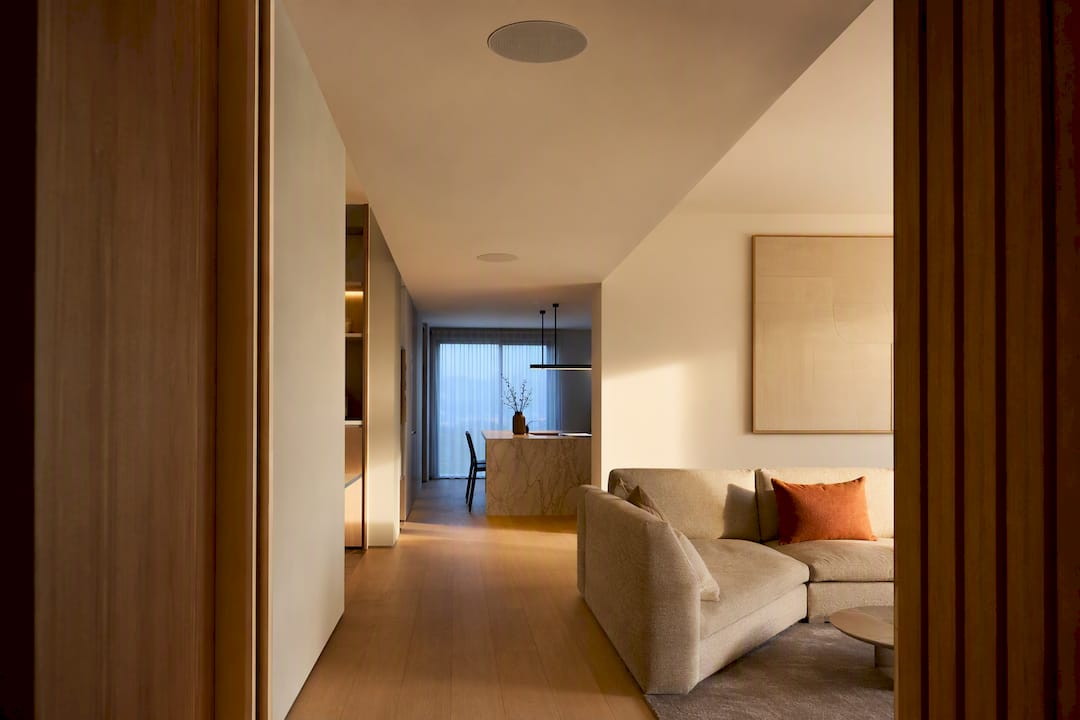
Network first, design aware plan for homeowners to set up reliable multiroom audio. Zoning, wiring, Wi Fi tuning, sync tests, and decor tips.
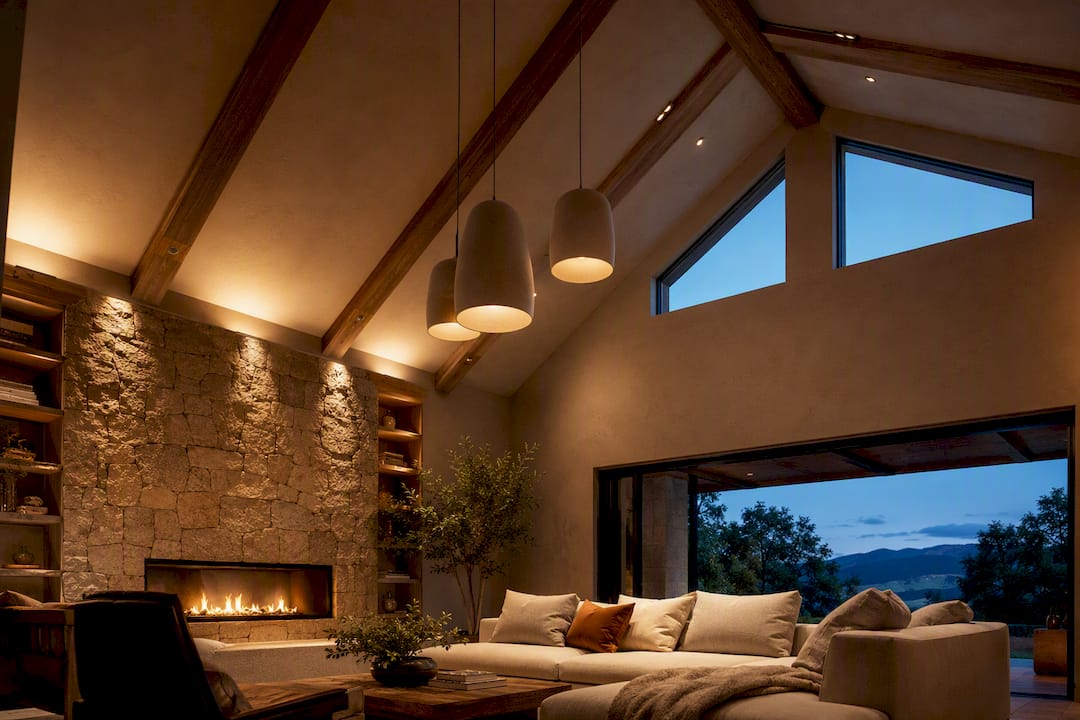
Layered vaulted ceiling lighting for homeowners: scale fixtures, plan service access, use 2700K to 3000K bulbs, and add smart controls for usable, warm rooms.
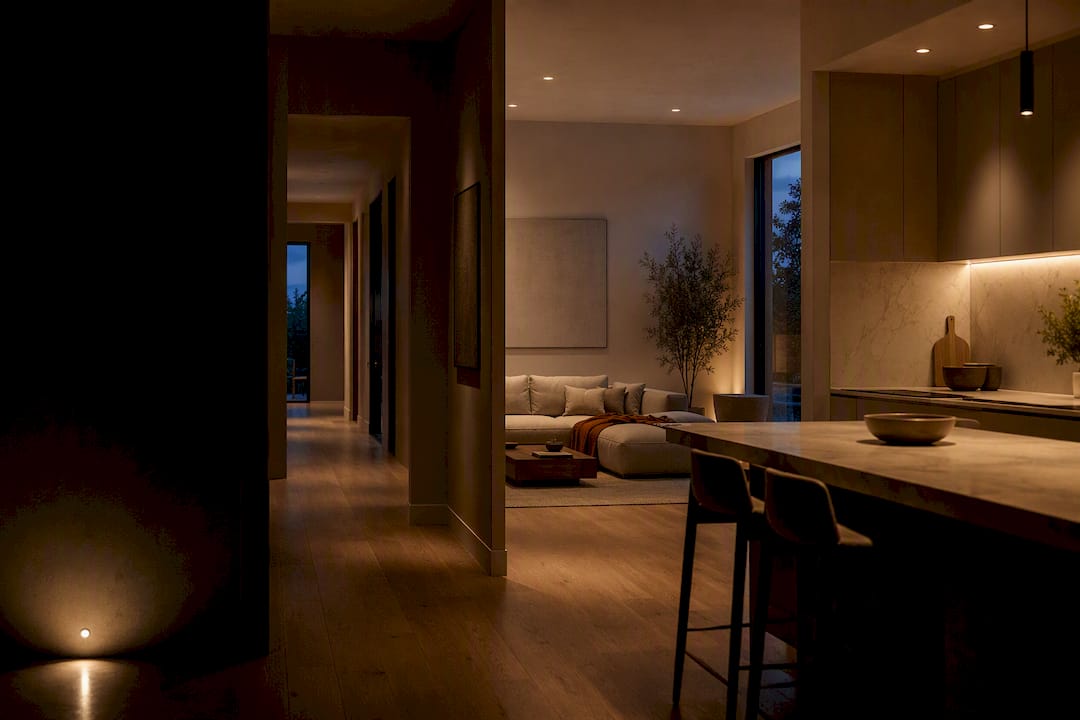
Set up eight useful smart-lighting scenes with clear brightness, color, transition, and trigger settings across common platforms.
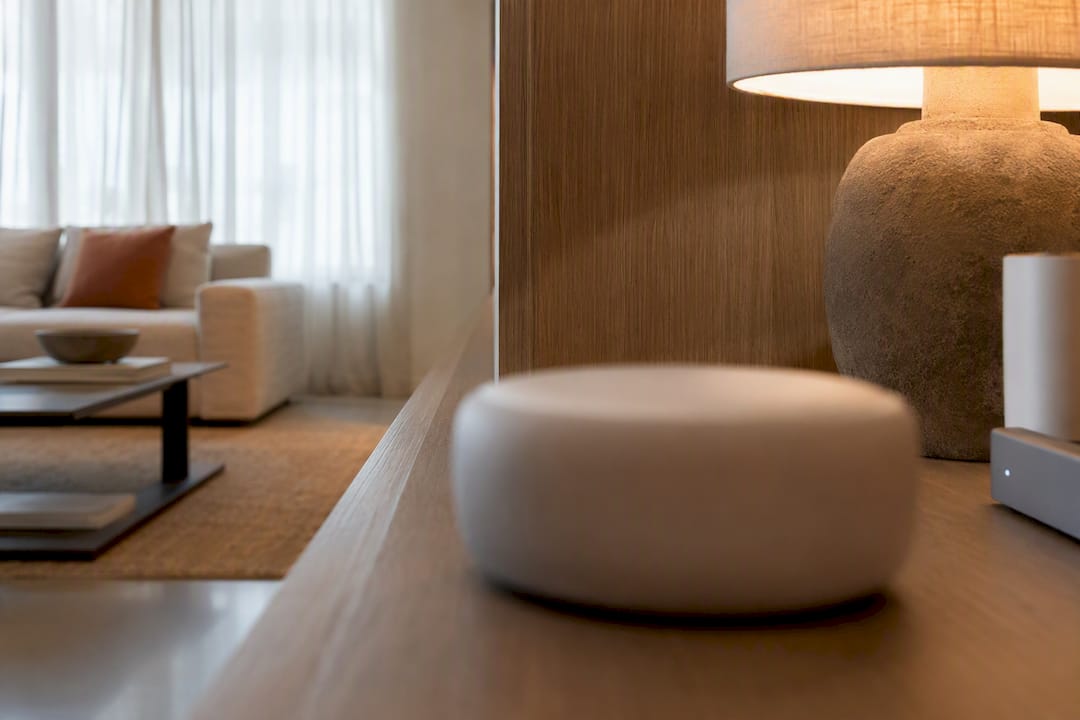
Compare 12 smart home hubs that balance Matter, Zigbee, Z-Wave and Thread support with placement tips to keep your home looking intentional.

Start with a front-of-room placement, run a subwoofer crawl, then confirm with REW. Learn how to balance measured bass with living-room style.
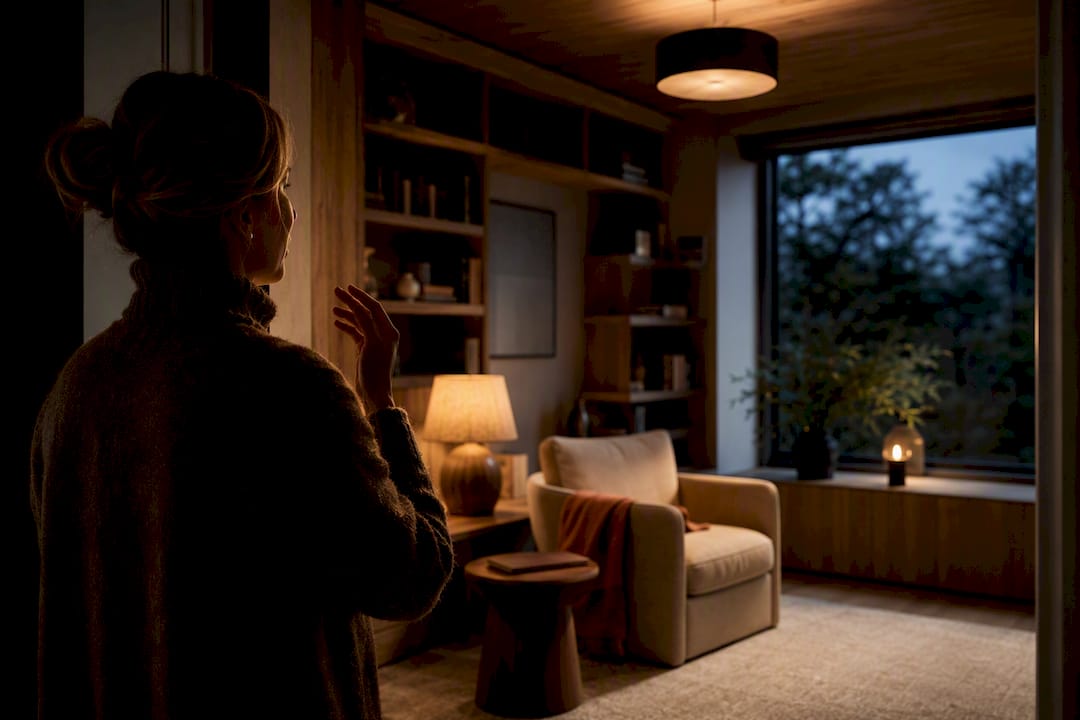
Set up voice-controlled lighting across Alexa, Google, and Siri with consistent names, reliable pairing, and design-conscious controls.
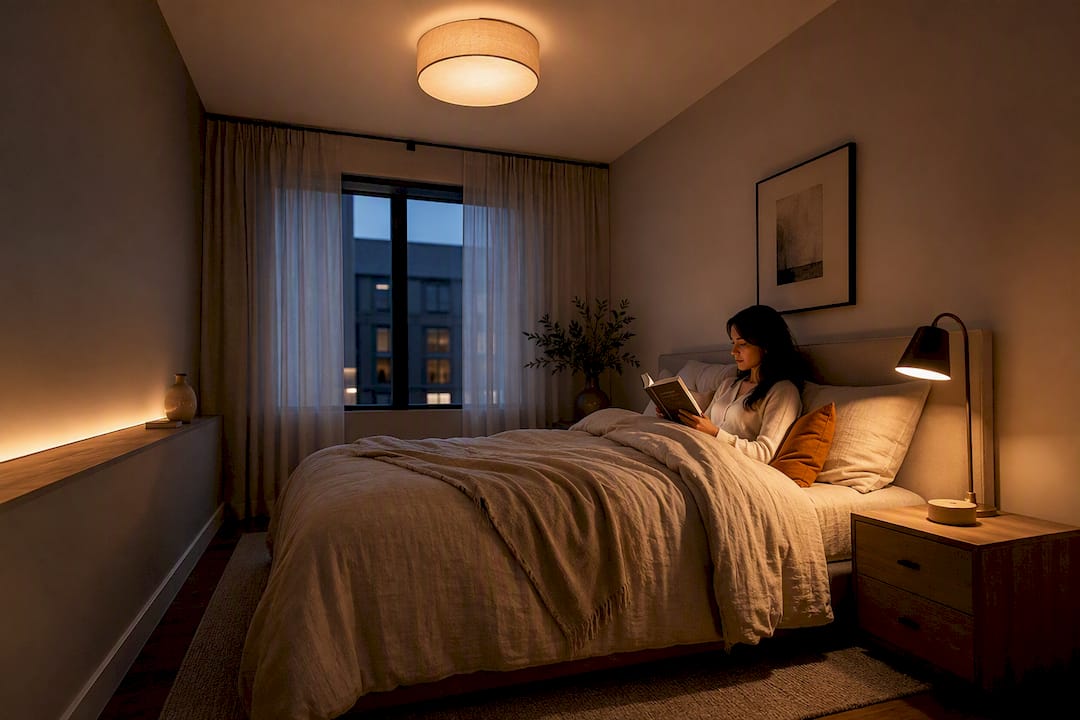
Space saving small bedroom lighting for renters and homeowners: layered light, renter safe installs, budget picks, and a buyers checklist.
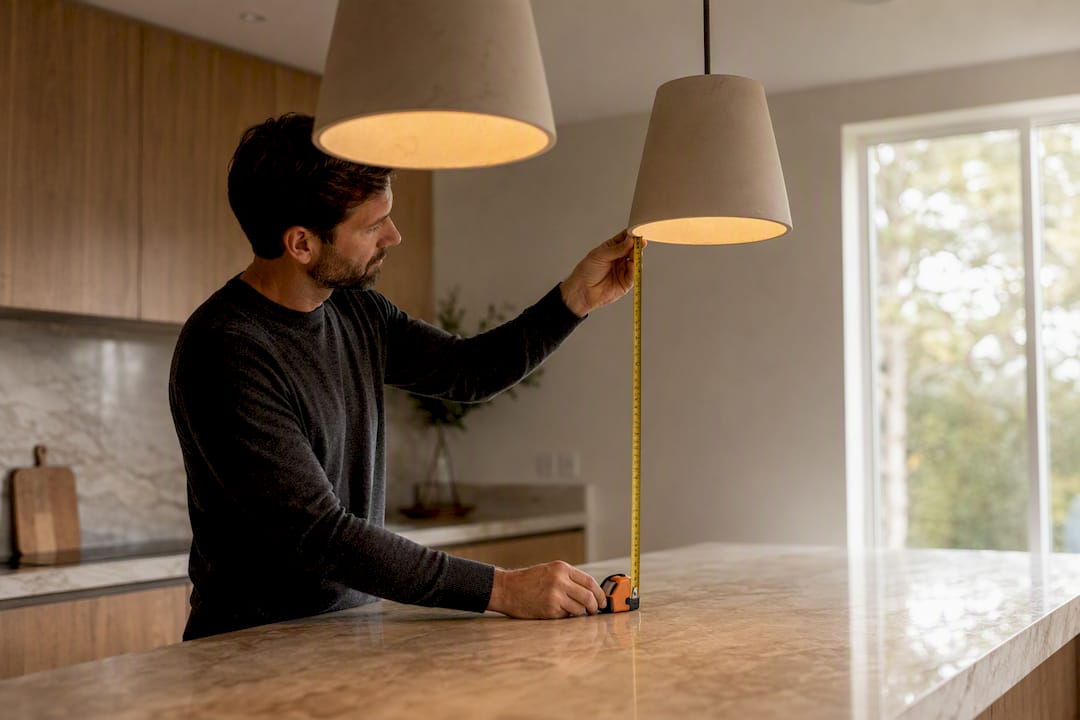
Measurement first homeowner guide to hanging island pendants: the 30–36 inch rule, a ceiling adjustment formula, spacing examples, and a dry fit checklist.
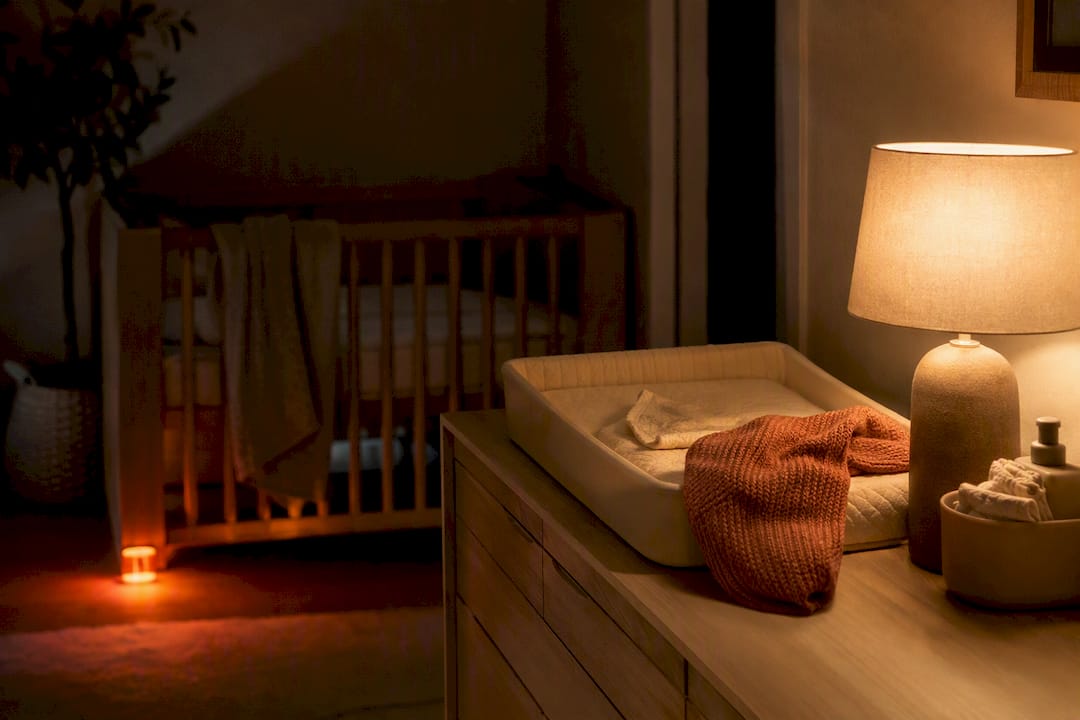
Use a bright daytime setting, a softer evening lamp and the lowest practical light for overnight care.
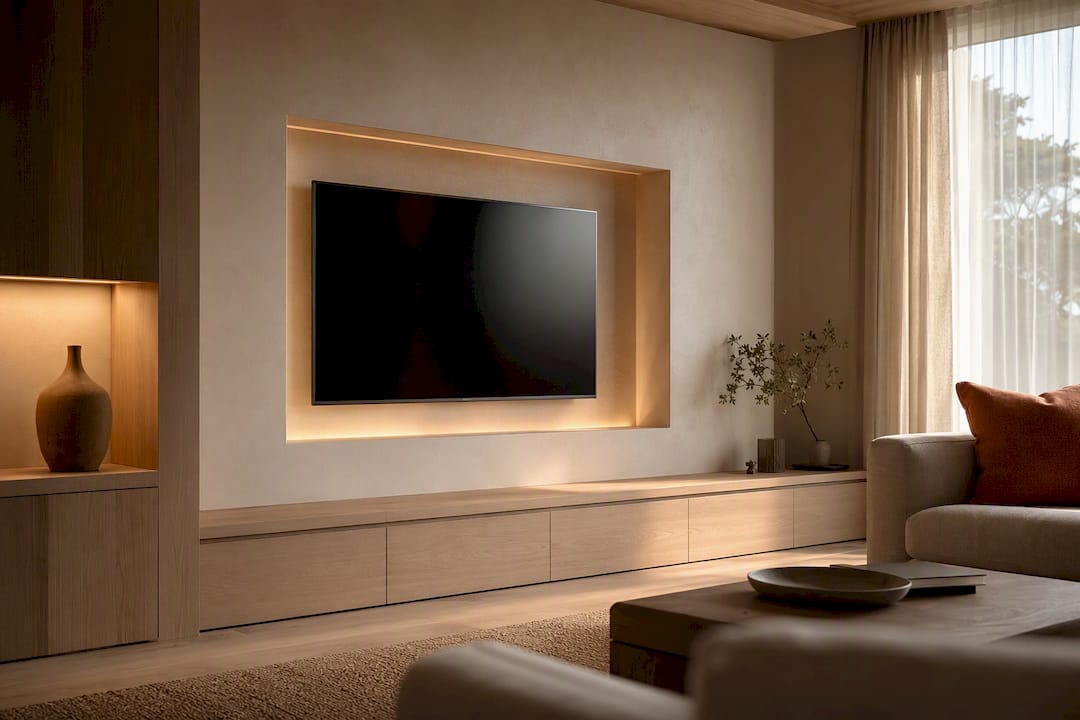
10 warm minimalist TV wall ideas you can use today: flush mount the screen, hide every cable, and add 2700K bias lighting. Renter friendly fixes included.
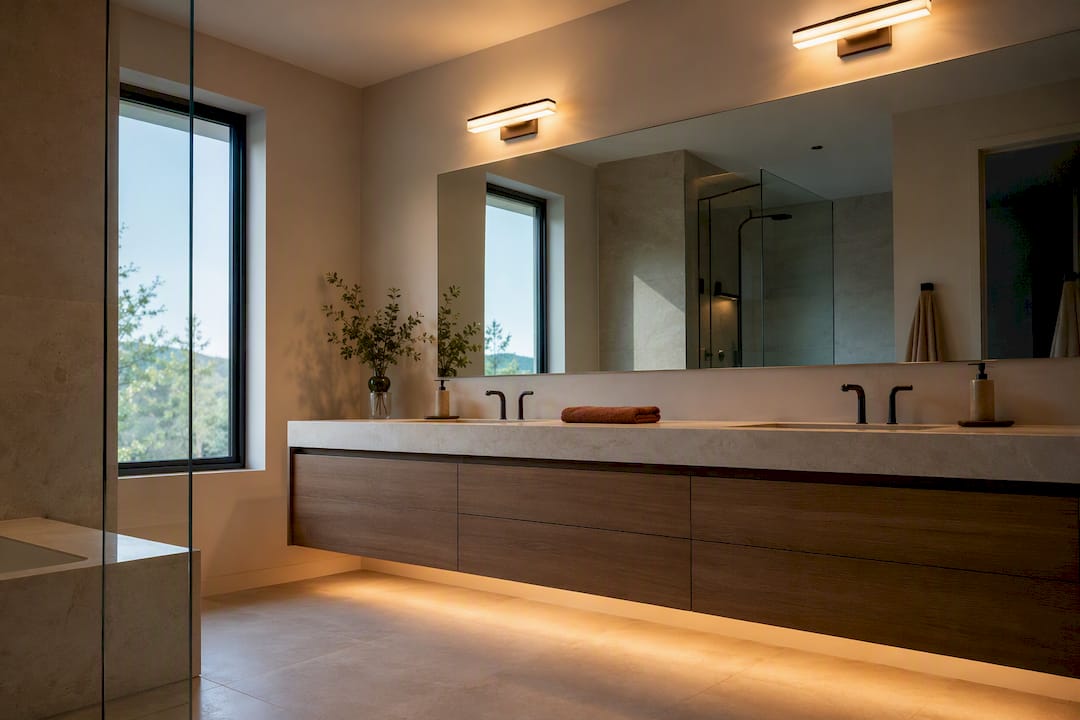
Use practical starting heights for vanity bars and side sconces, then adjust for the mirror, fixture and people using the room.
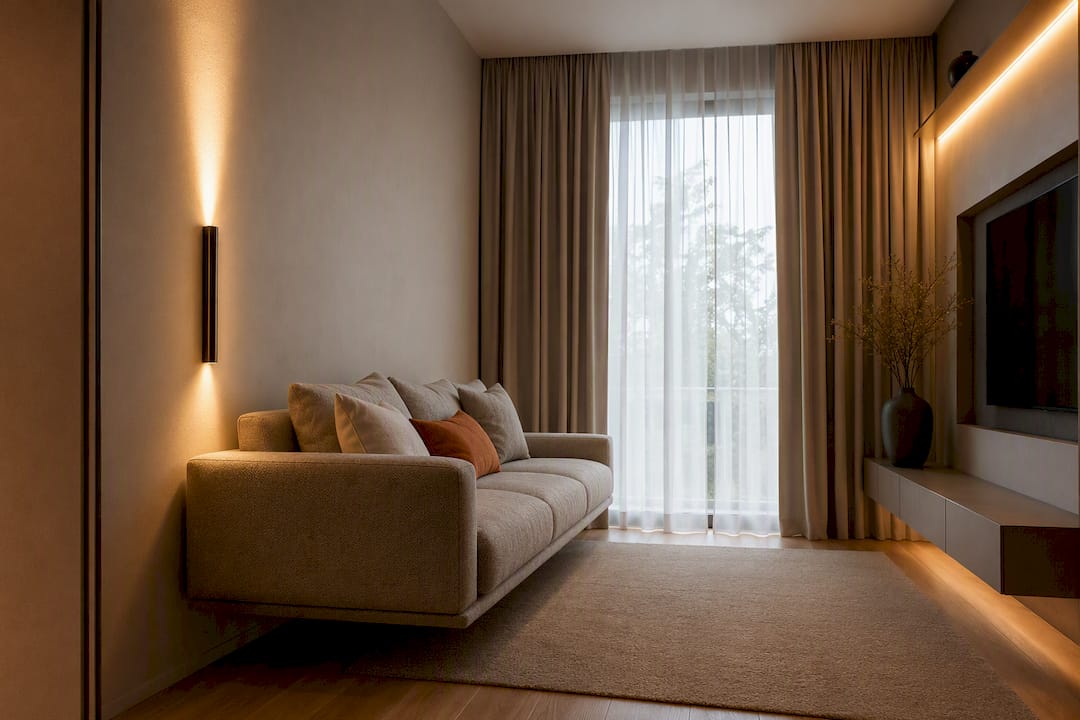
Start with a tape measure and the 36 inch walking path. Learn layout templates, vertical lighting tricks, and renter friendly fixes that work fast.

Design-forward mesh Wi‑Fi for homeowners: when mesh makes sense, what kit to buy, wiring and placement tips to hide nodes and fix dead zones fast.
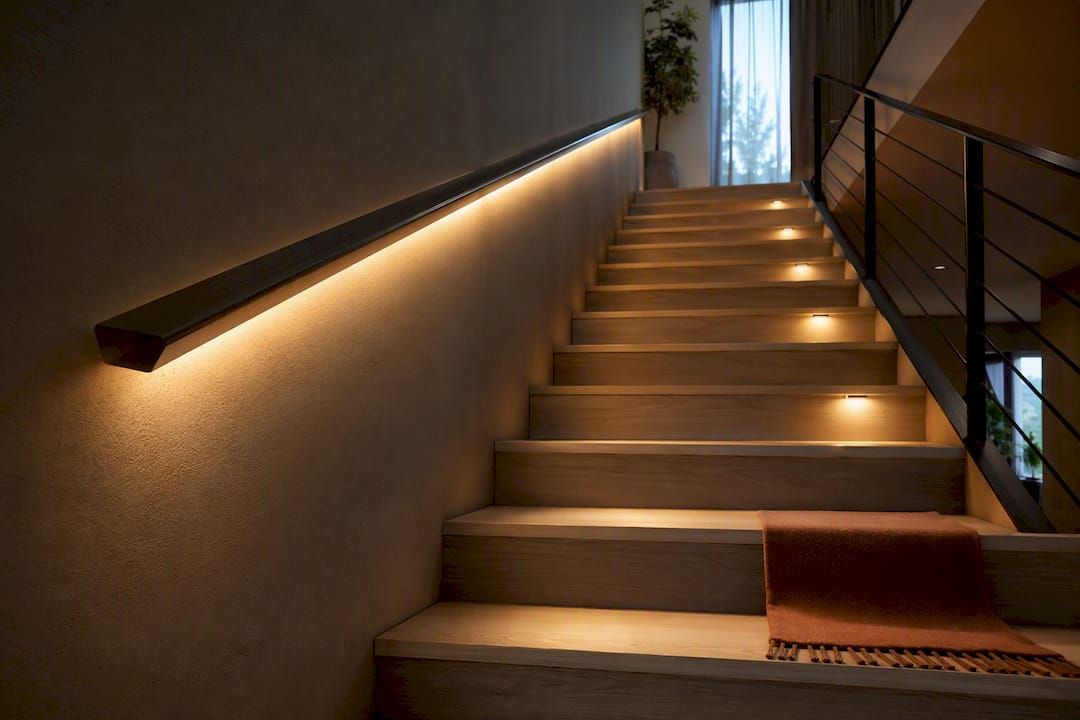
Actionable stair lighting ideas to make stairs safer and photo ready, with US code notes, spacing rules, and options that avoid a rewire.
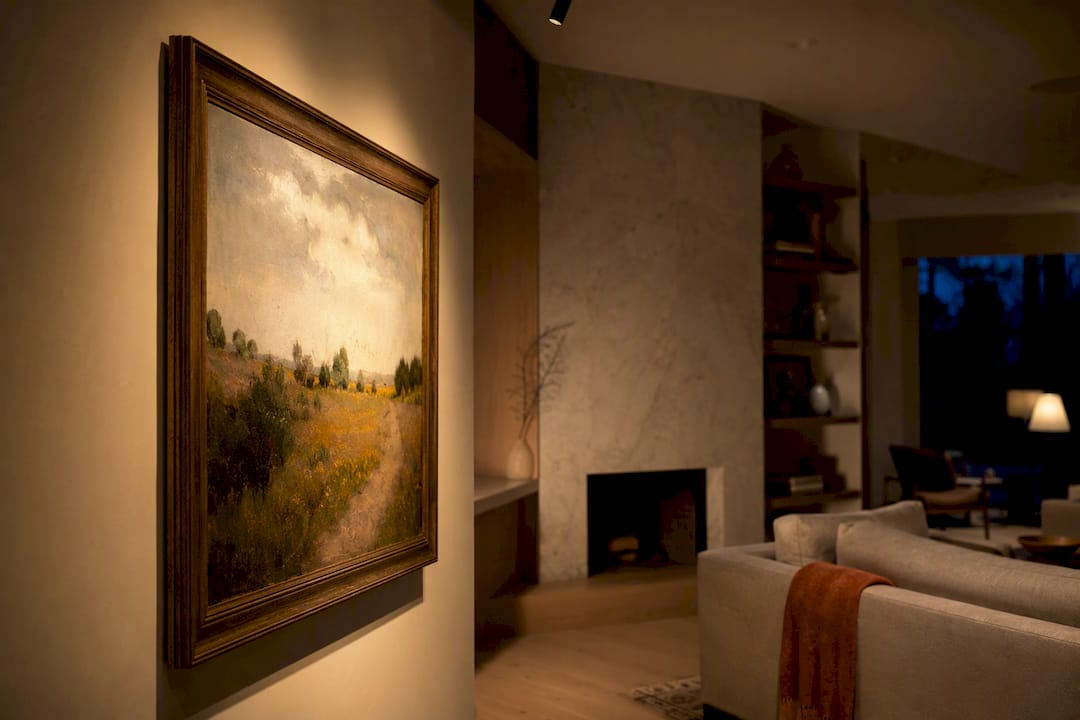
Practical art lighting ideas and technical how to for homeowners: layered setups, the 30° rule, CRI 90+ bulbs, and budget options under $1,000.
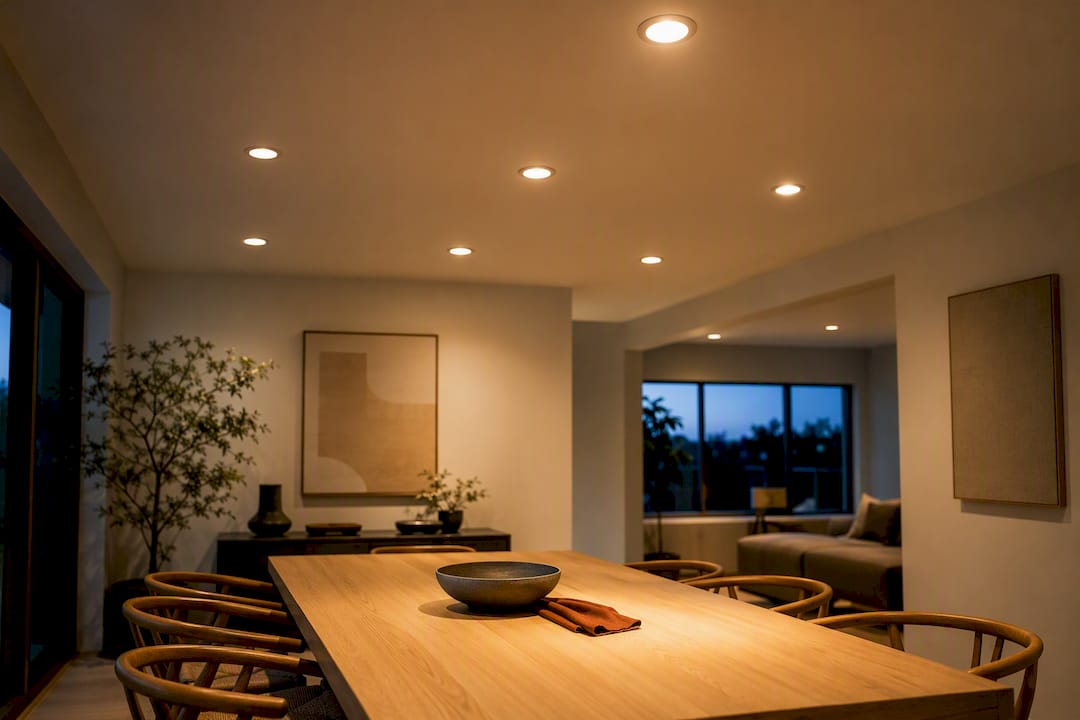
Use the simple half height rule to map recessed lighting spacing. Step-by-step measuring guidance and design-first tips to avoid overlighting and glare.
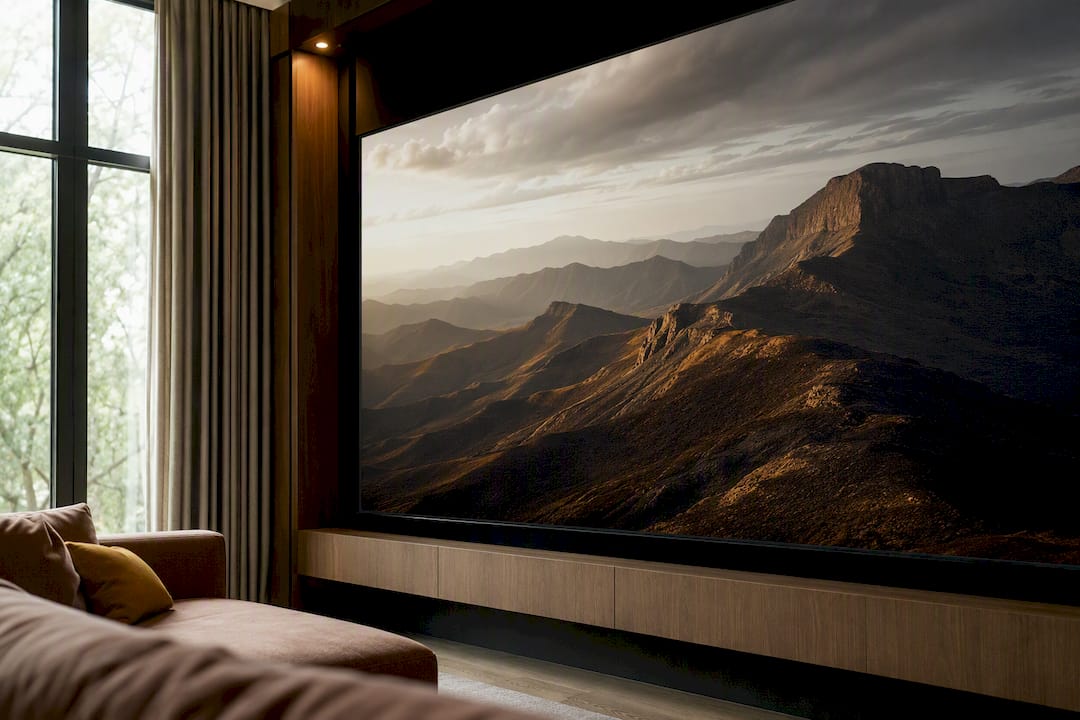
Match an ambient-light-rejecting screen to the projector, room light and seating layout before choosing a material.
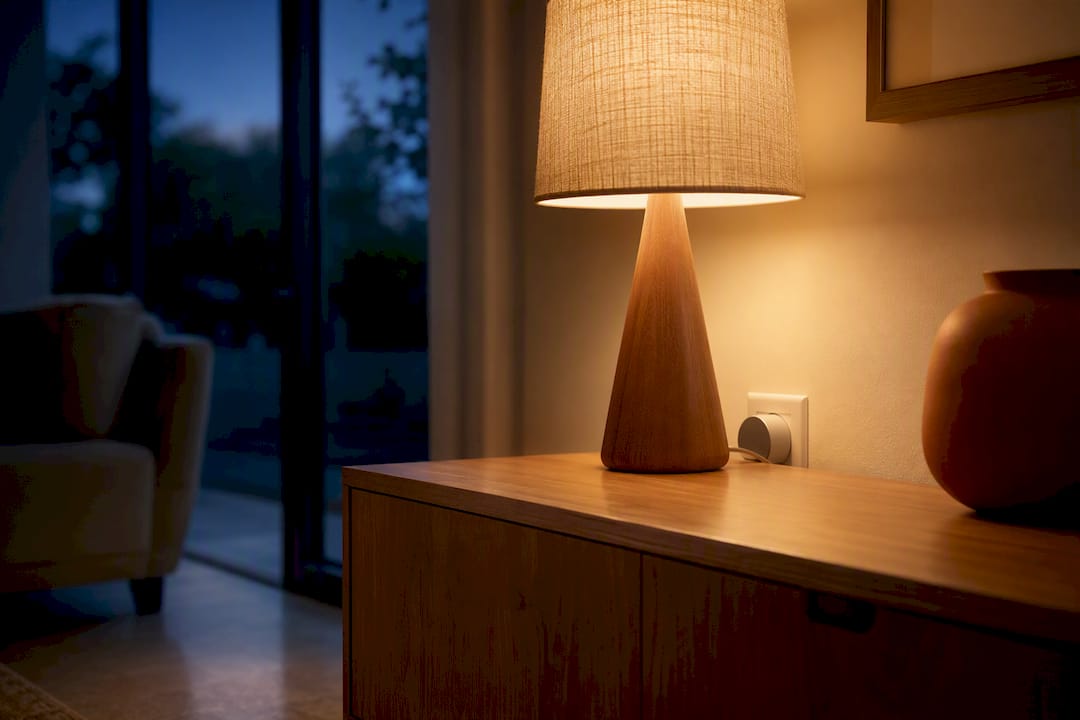
Start with lamps and seasonal lights, not heaters or essential appliances.

A room-by-room comparison of 3000K and 4000K lighting, including brightness, color rendering and dimmer checks.
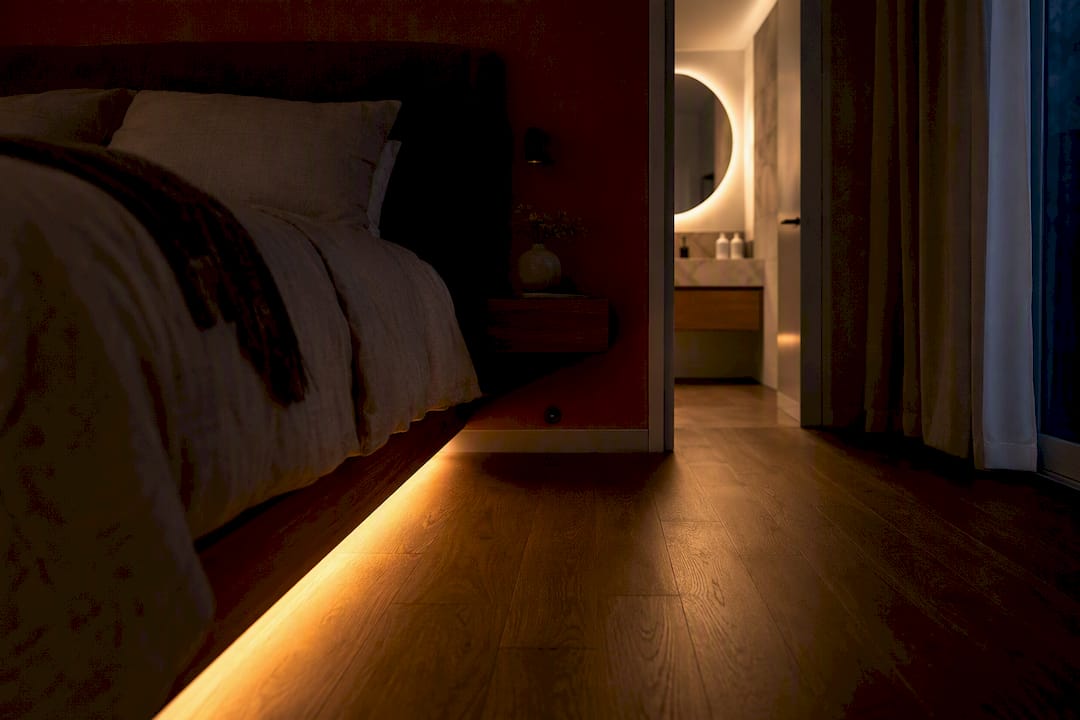
Bedroom night lighting for homeowners: choose warm amber, low lumen floor lighting and motion or dusk automation for sleep friendly style.
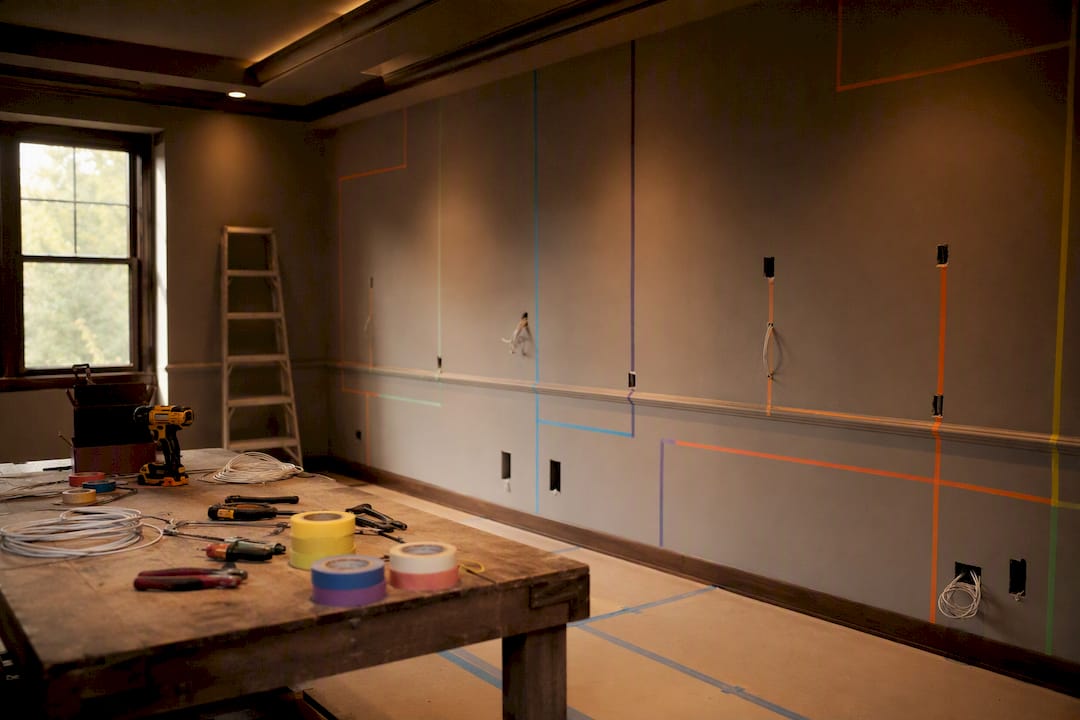
Design led home theater lighting that balances mood with electrician ready wiring. Map five zones, choose LED dimmers, and avoid speaker buzz.
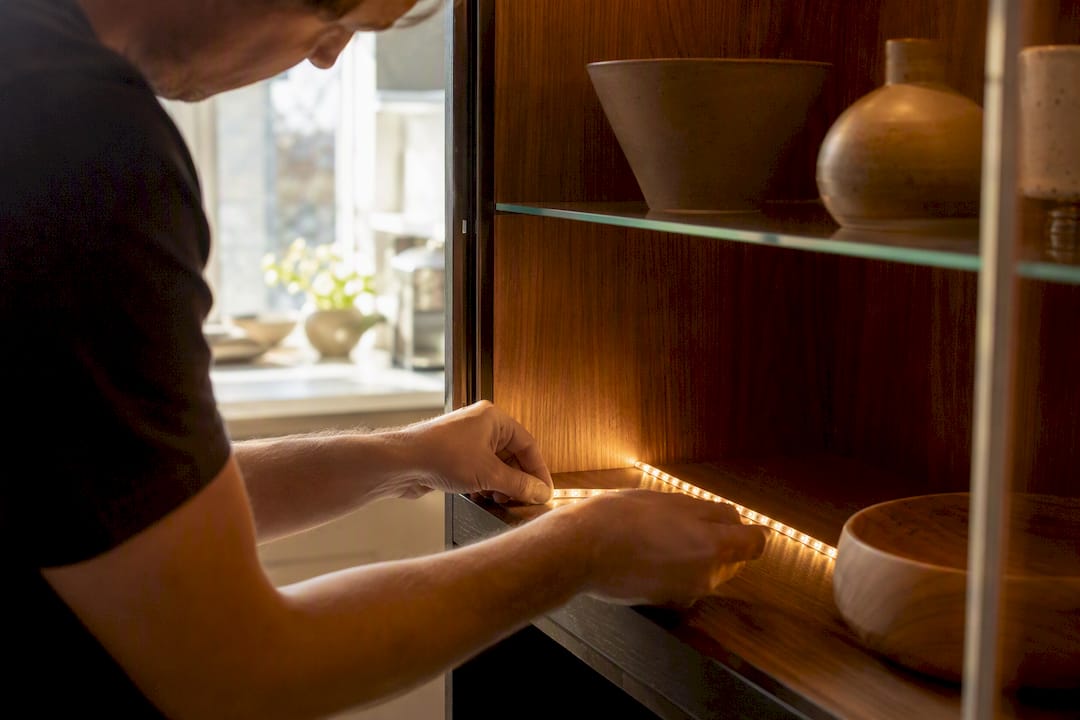
Homeowner retrofit guide to glare free display cabinet lighting: even wash, 2700K–3000K, CRI 90+, 12V driver, plus a short shopping checklist.
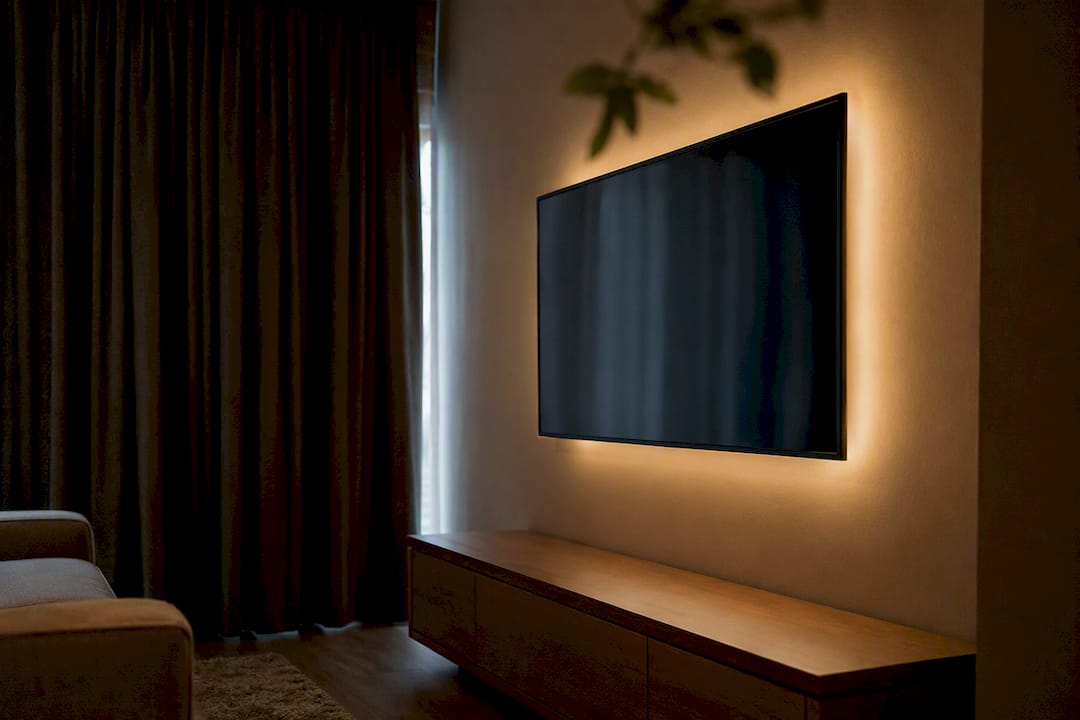
Fix the window or lamp that appears in the screen before trying to overpower it with brightness.
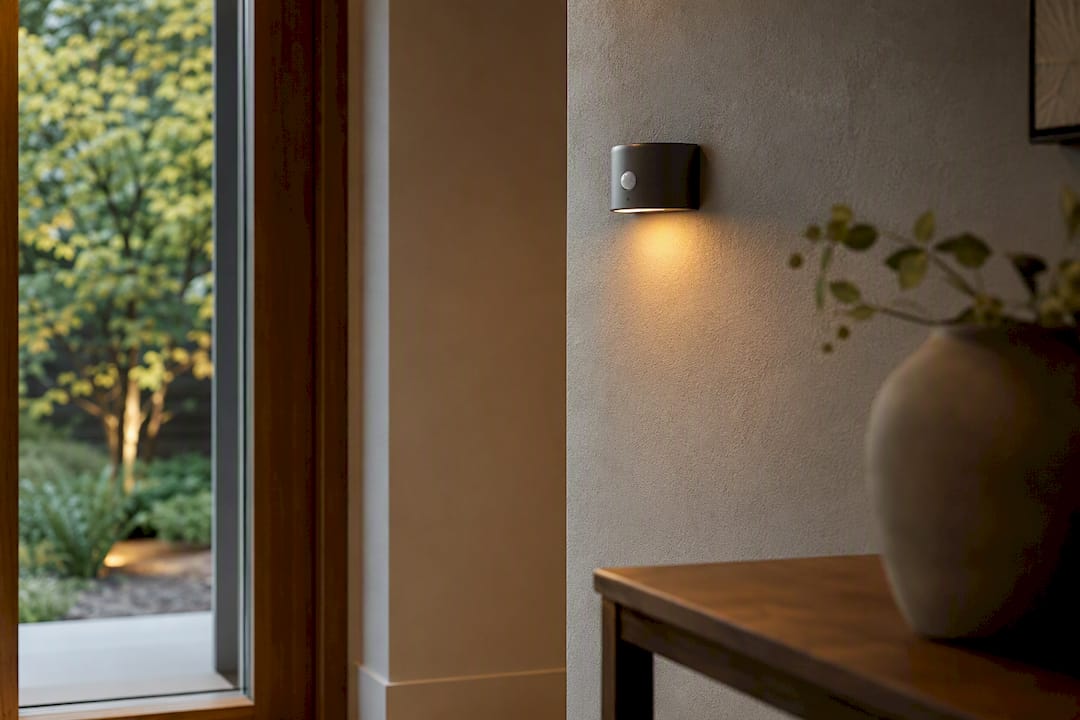
The right sensor depends less on maximum range than on whether the room needs automatic-on, manual-on or a low nighttime path light.

Spend on the problem you can actually see: the bulb, the control or one useful second light source.
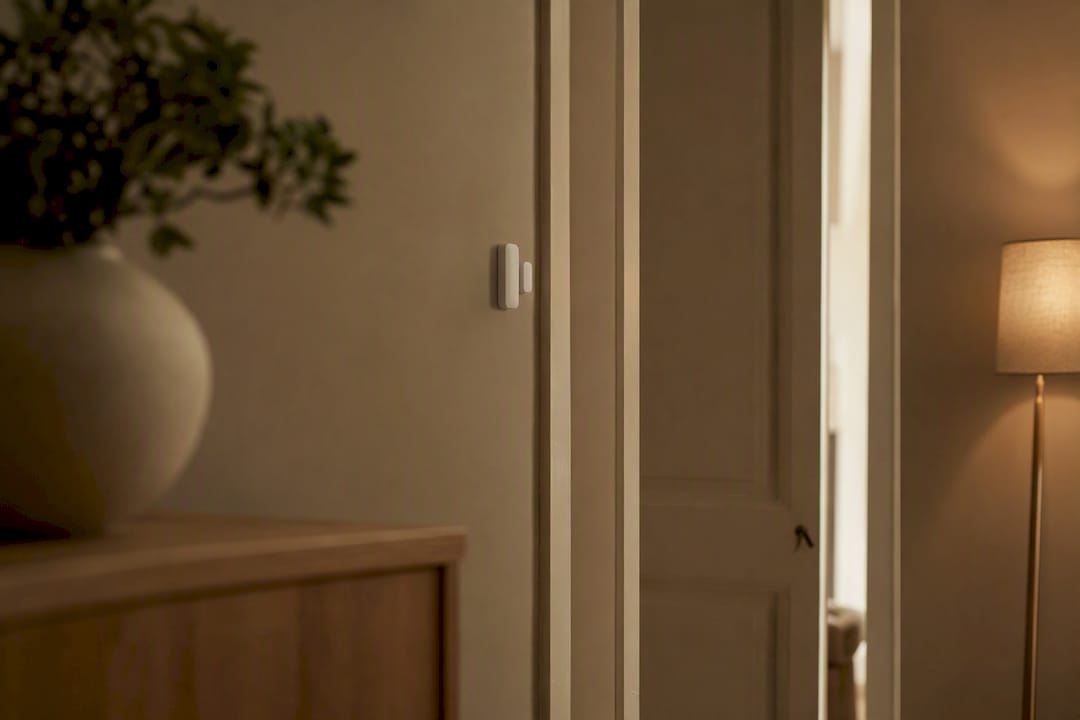
Matter and Thread solve different problems, so the useful question is whether your next device fits your existing home.

Both can soften one lamp without rewiring, but they solve different control problems.

Read the box in the right order and a wall of nearly identical bulbs becomes much easier to understand.
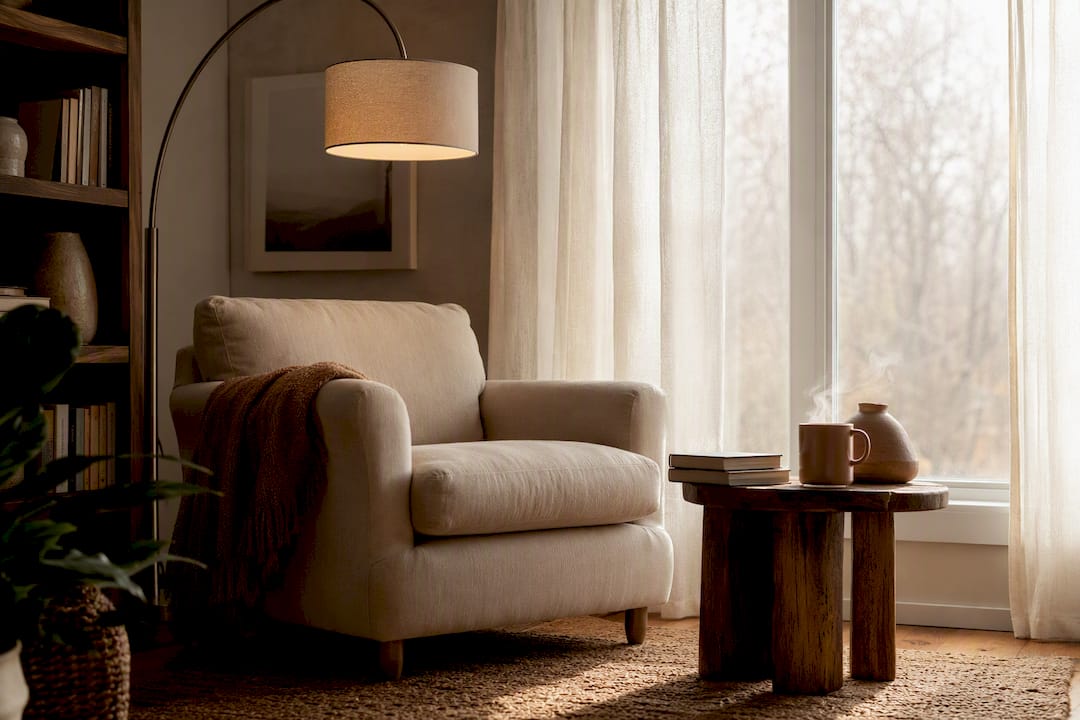
Put adjustable light on the page, keep the bulb out of your eyes and leave a little light in the room around you.
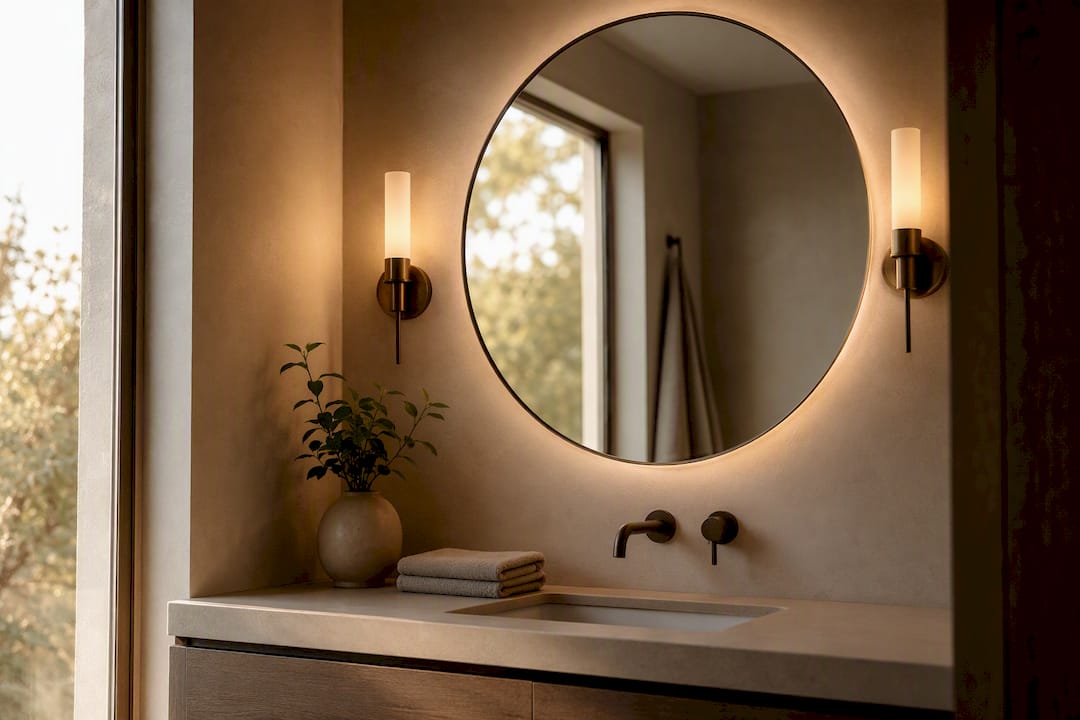
Discover the best strategies for bathroom mirror lighting to enhance your makeup and shaving routine with effective, stylish solutions.

Warm interiors work best when color, materials, texture, and lighting are layered with enough contrast to keep the room feeling open and intentional.

Good living-room lighting isn’t really about making the room brighter. It’s about deciding where the light comes from, what it touches, and how you want the room to feel.

Both are warm white. Choose by the room, its materials and what you do there—not by assuming a higher Kelvin number means more light.

A room feels finished when its lighting has more than one job and more than one height.

Variation often makes a room feel more natural—if a few visual cues hold it together.

Restraint, scale and a clear point of view often matter more than the price of what is in the room.

A room becomes more personal when its pieces are in conversation rather than perfect agreement.

The best connected-home decisions improve the room without asking to become part of its décor.

One is flexible and friendly to renters. The other tends to make the whole house easier to understand.

Measure from your seat, plan the console and screen together, then deal with the cables before adding anything to the wall.

Start with a familiar scene and the seat you use most. Then fix placement, settings and room reflections before deciding what to buy.

Low light, varied woods, soft texture and technology that knows when to stay out of view.

Before buying new furniture, change the light, the spacing and what the eye meets first.