
Five Step Plan for Homeowners: Brighten a Dark Living Room Under $150
Brighten a dark living room without losing its moody look. A five step, design-forward plan with starter budgets, safety tips, and renter-friendly DIY moves.
Guides to bulb color, layered light, fixture placement and the small adjustments that make rooms more comfortable.
Brighten a dark living room without losing its moody look. A five step, design-forward plan with starter budgets, safety tips, and renter-friendly DIY moves.

Room by room lighting advice for homeowners: when to use ambient vs task light, lumen and CCT targets, placement tips, and questions to ask before you buy.

Space island pendants with three practical formulas, then verify hanging height, edge clearance, and fixture scale with a simple mock-up.

Map furniture into activity zones, layer ambient, task, and accent lighting with zoned controls, then test from the main seat in one week.
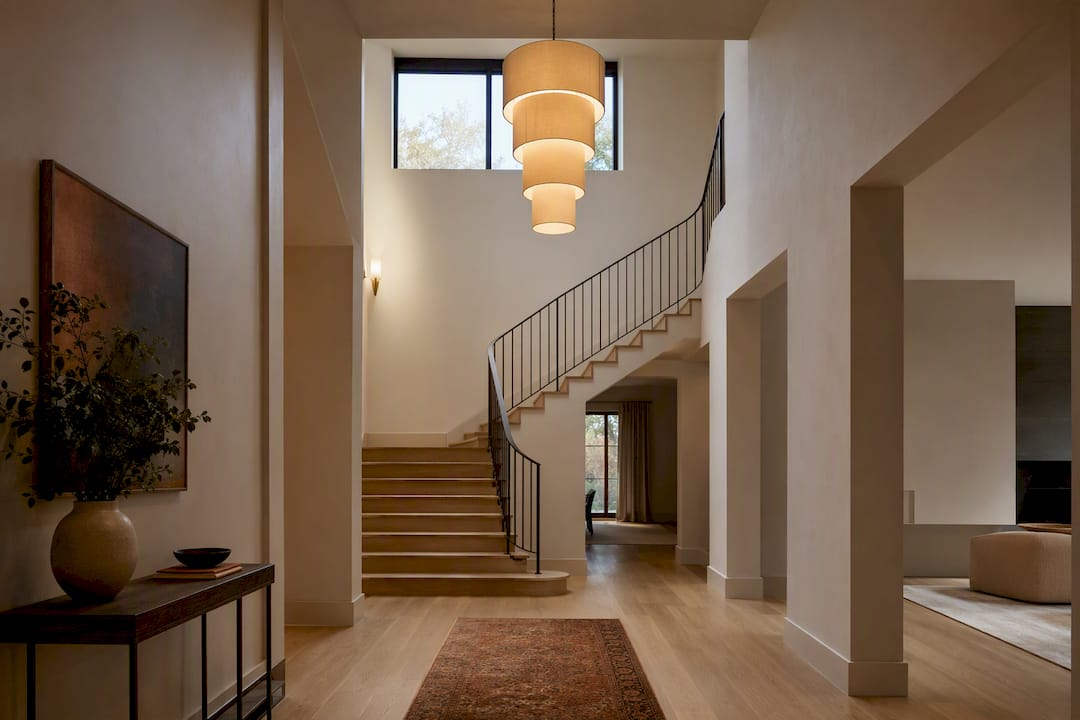
Choose foyer fixtures with a simple sizing formula, safe seven-foot clearance, warm bulbs, hanging-height guidance, and renter-friendly options.
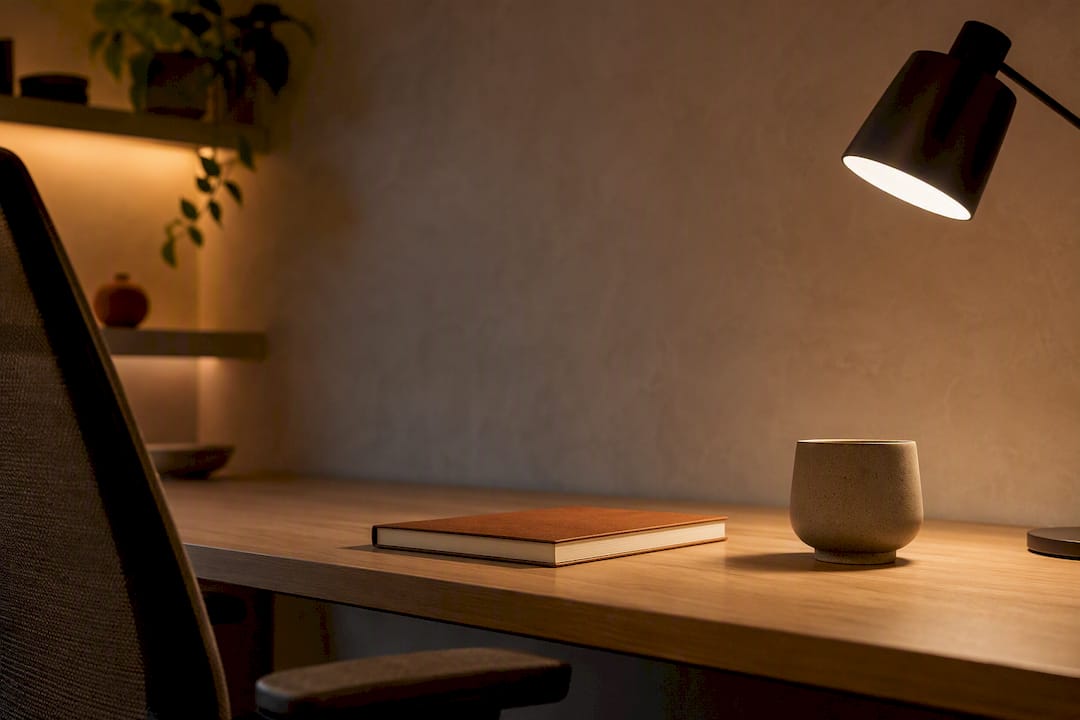
Reduce screen glare and reach 300–500 lux at your desk with layered ambient and task lighting, smart controls, and no-rewire fixes.
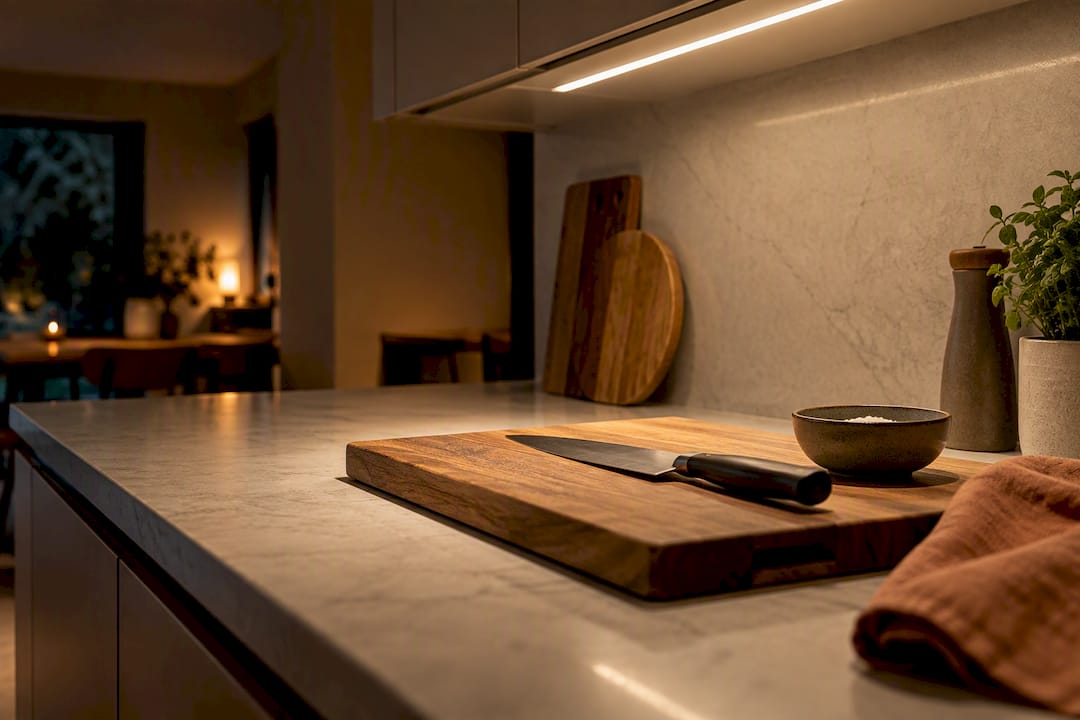
Under cabinet lighting specs for homeowners: 500 lux and 200 to 500 lumens/ft, CCT and CRI guidance, plus mounting tips and a DIY install checklist.
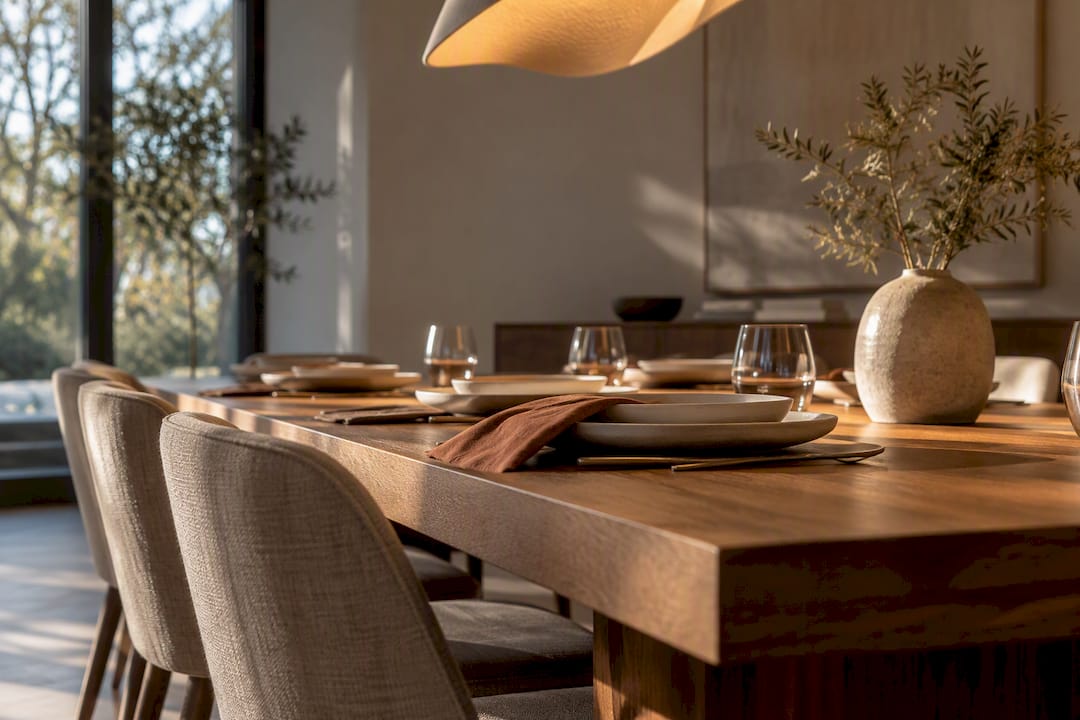
Plan dining room lighting with exact fixture sizing, hanging heights, warm bulb specifications, dimmer guidance, and safety checks.
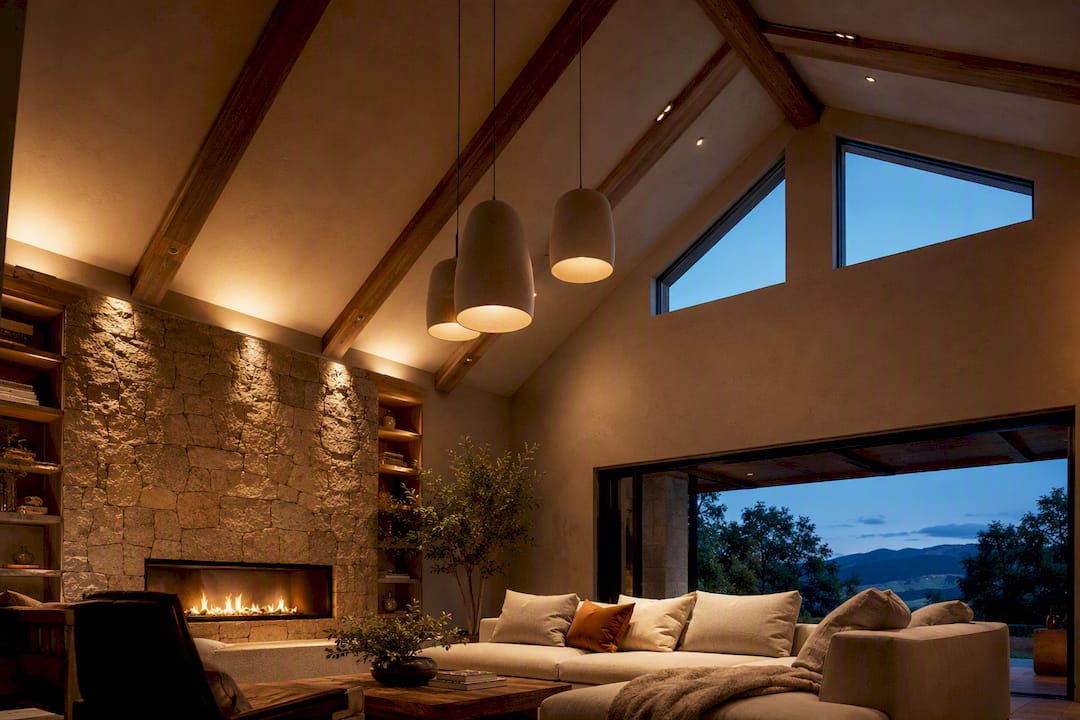
Layered vaulted ceiling lighting for homeowners: scale fixtures, plan service access, use 2700K to 3000K bulbs, and add smart controls for usable, warm rooms.
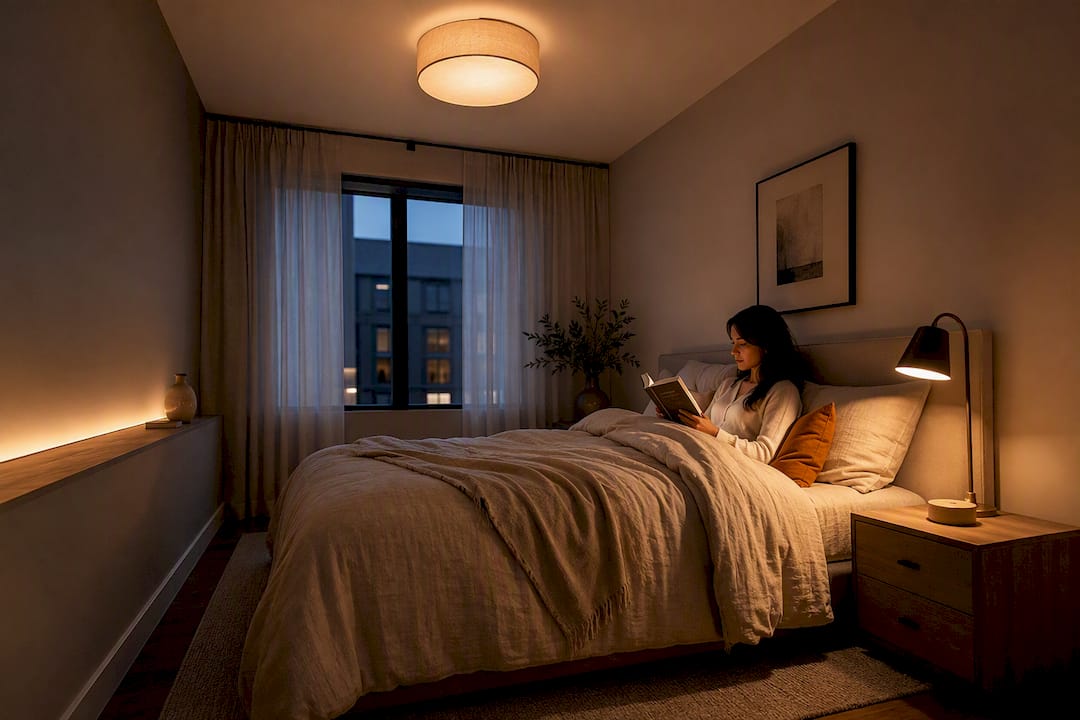
Space saving small bedroom lighting for renters and homeowners: layered light, renter safe installs, budget picks, and a buyers checklist.
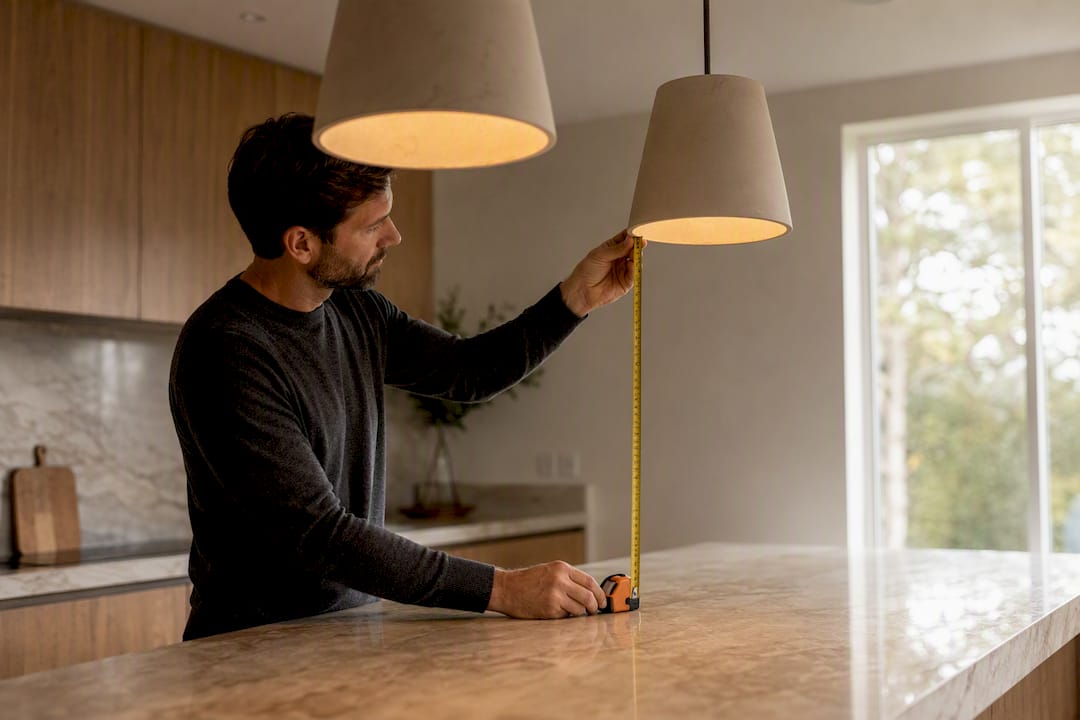
Measurement first homeowner guide to hanging island pendants: the 30–36 inch rule, a ceiling adjustment formula, spacing examples, and a dry fit checklist.
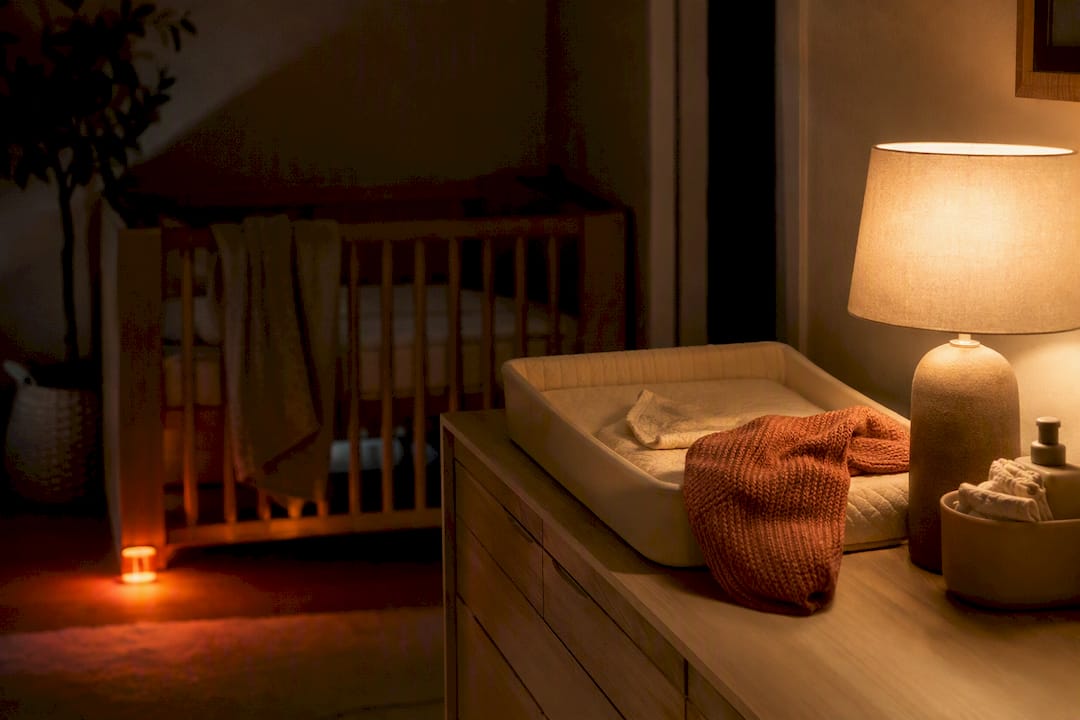
Use a bright daytime setting, a softer evening lamp and the lowest practical light for overnight care.
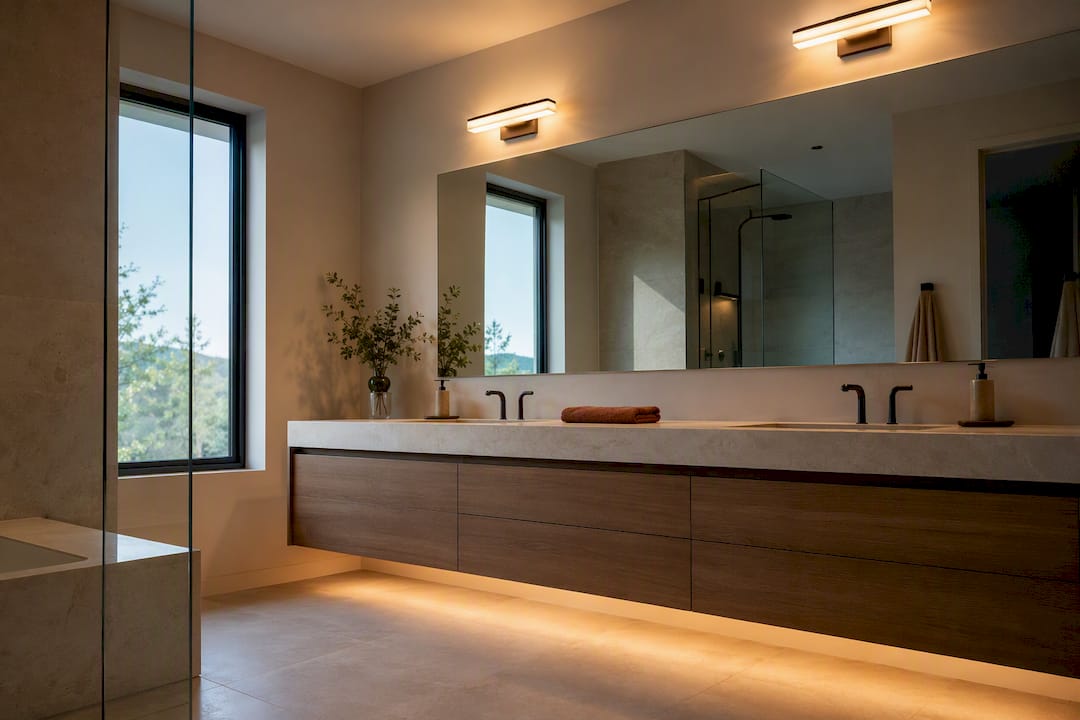
Use practical starting heights for vanity bars and side sconces, then adjust for the mirror, fixture and people using the room.
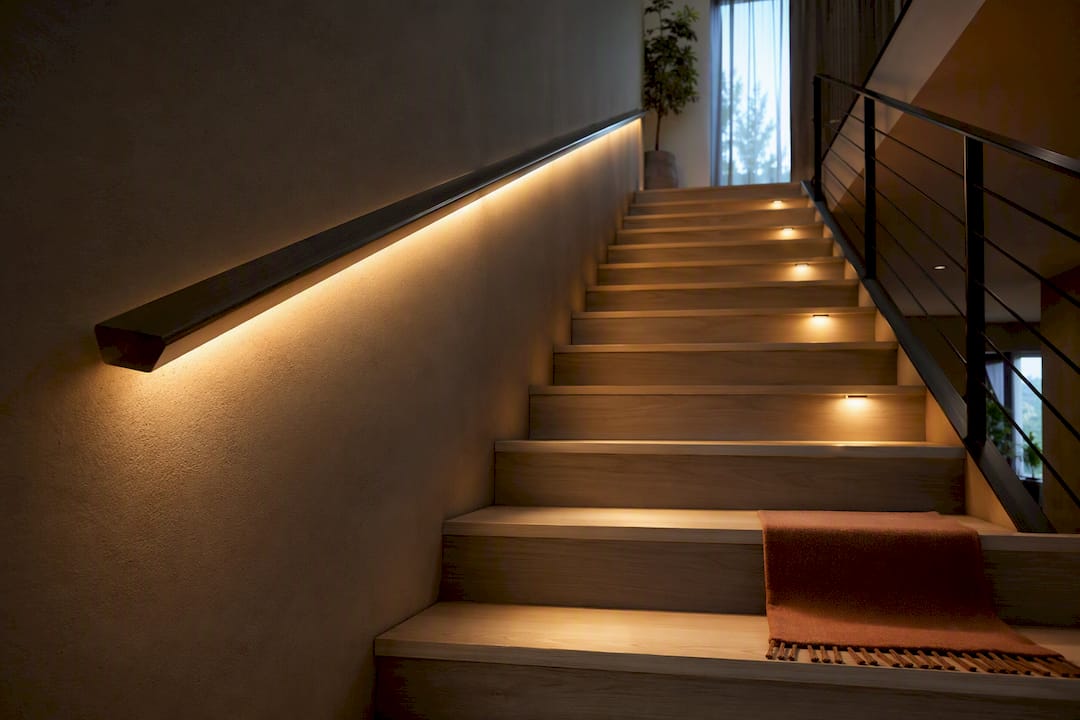
Actionable stair lighting ideas to make stairs safer and photo ready, with US code notes, spacing rules, and options that avoid a rewire.
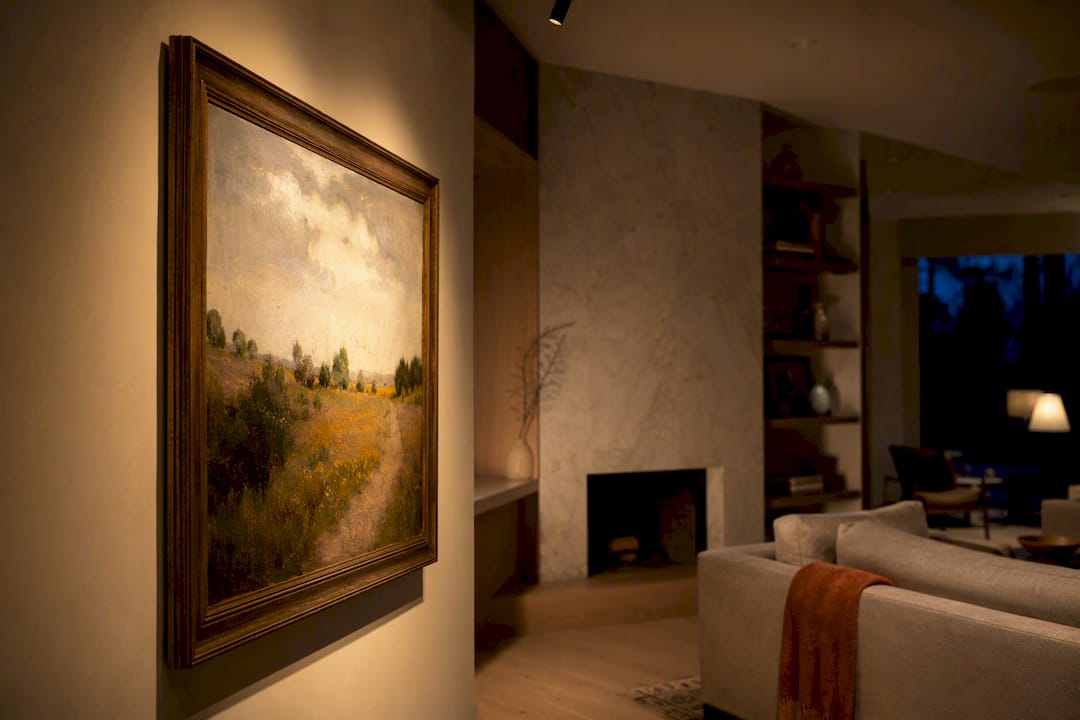
Practical art lighting ideas and technical how to for homeowners: layered setups, the 30° rule, CRI 90+ bulbs, and budget options under $1,000.
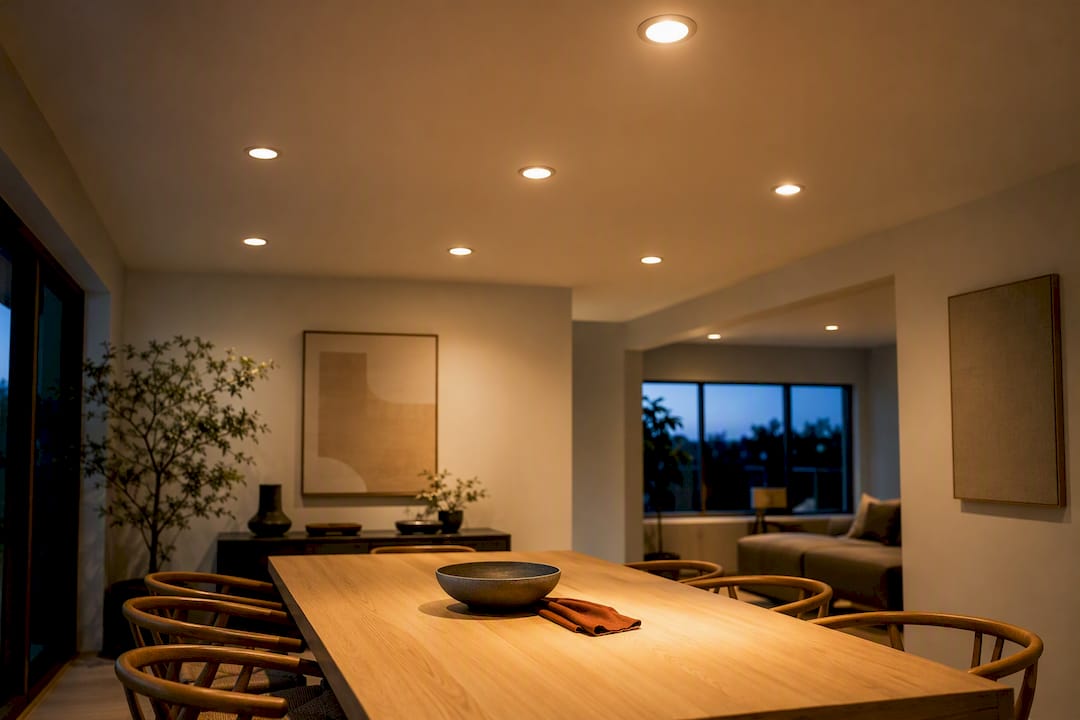
Use the simple half height rule to map recessed lighting spacing. Step-by-step measuring guidance and design-first tips to avoid overlighting and glare.

A room-by-room comparison of 3000K and 4000K lighting, including brightness, color rendering and dimmer checks.
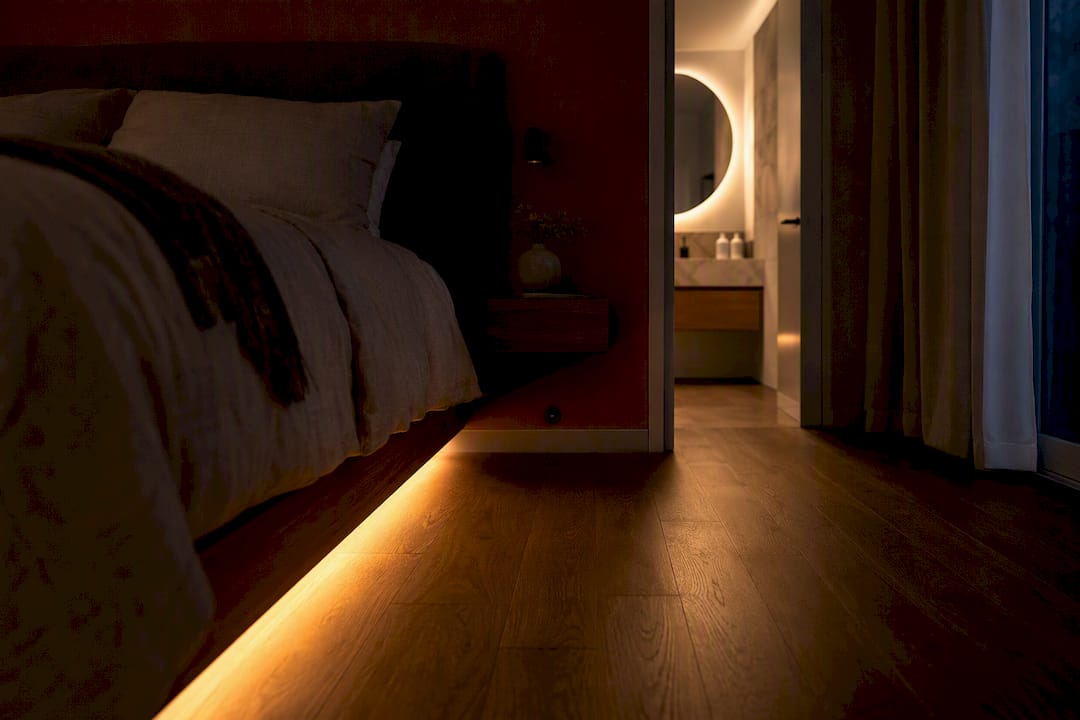
Bedroom night lighting for homeowners: choose warm amber, low lumen floor lighting and motion or dusk automation for sleep friendly style.
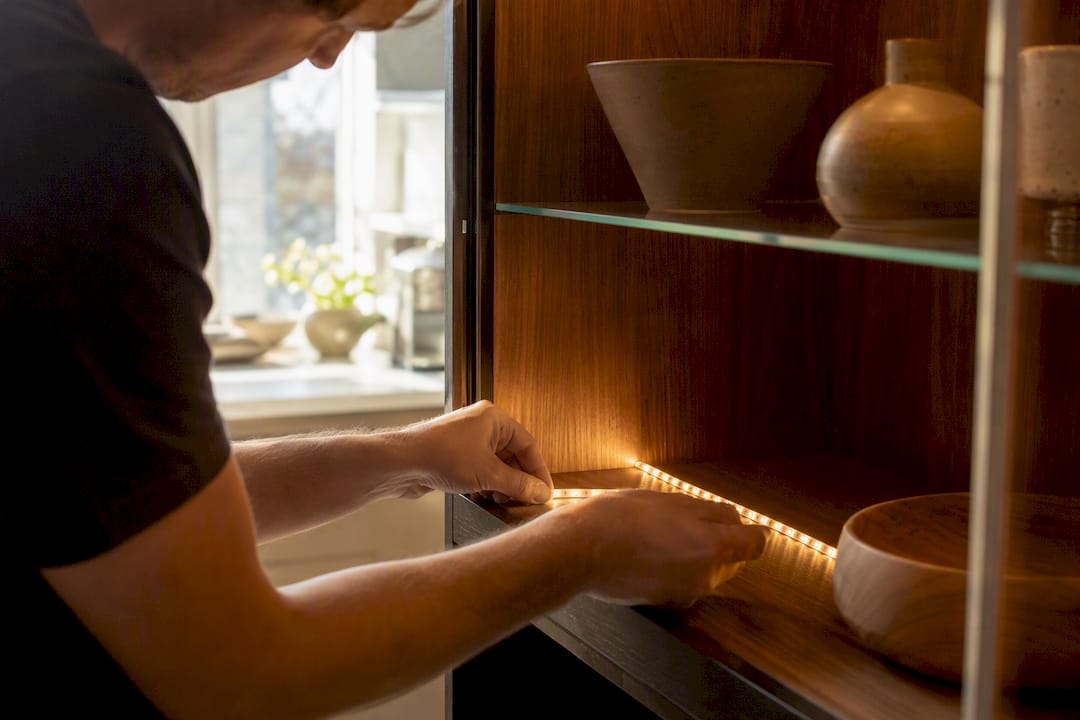
Homeowner retrofit guide to glare free display cabinet lighting: even wash, 2700K–3000K, CRI 90+, 12V driver, plus a short shopping checklist.
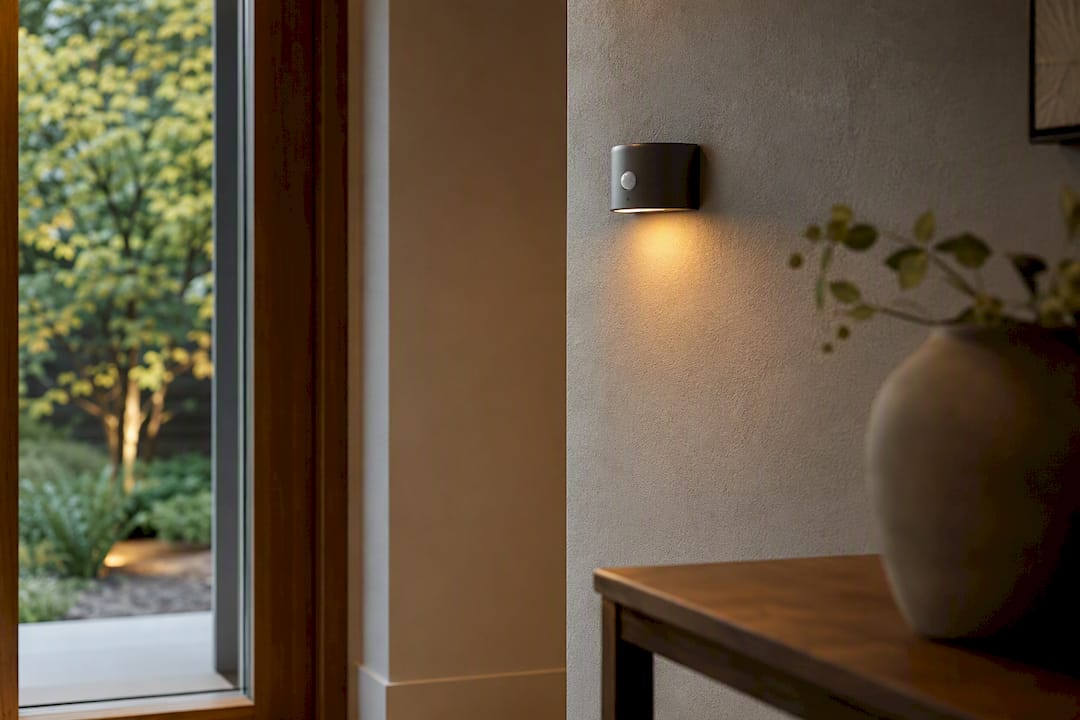
The right sensor depends less on maximum range than on whether the room needs automatic-on, manual-on or a low nighttime path light.

Spend on the problem you can actually see: the bulb, the control or one useful second light source.

Read the box in the right order and a wall of nearly identical bulbs becomes much easier to understand.
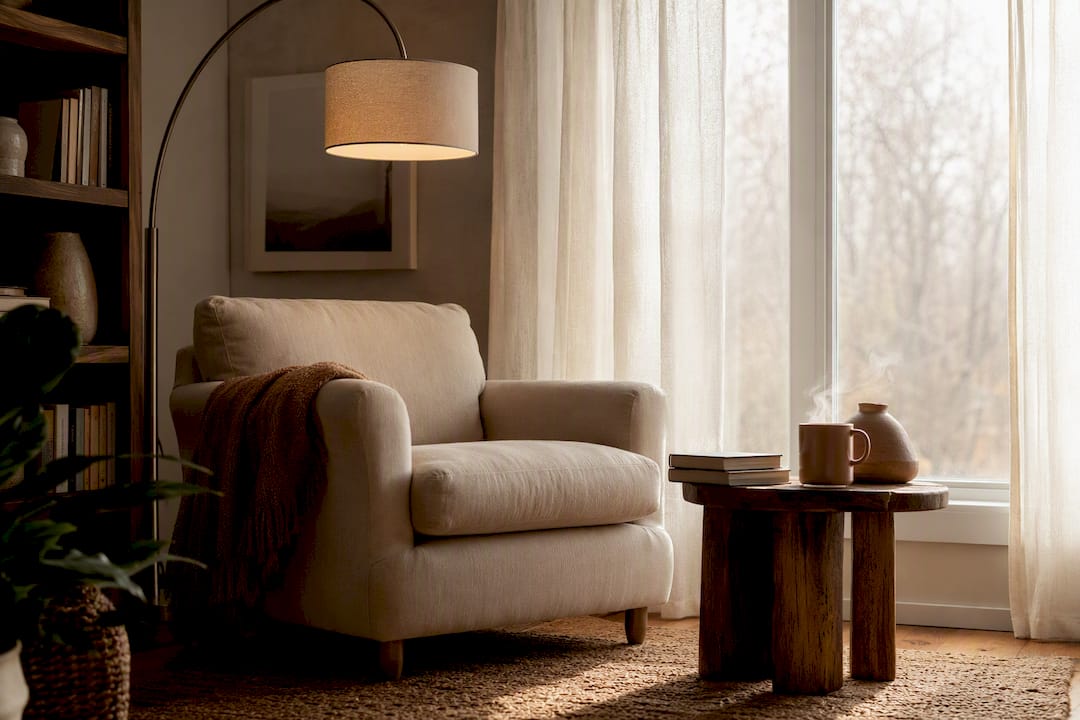
Put adjustable light on the page, keep the bulb out of your eyes and leave a little light in the room around you.
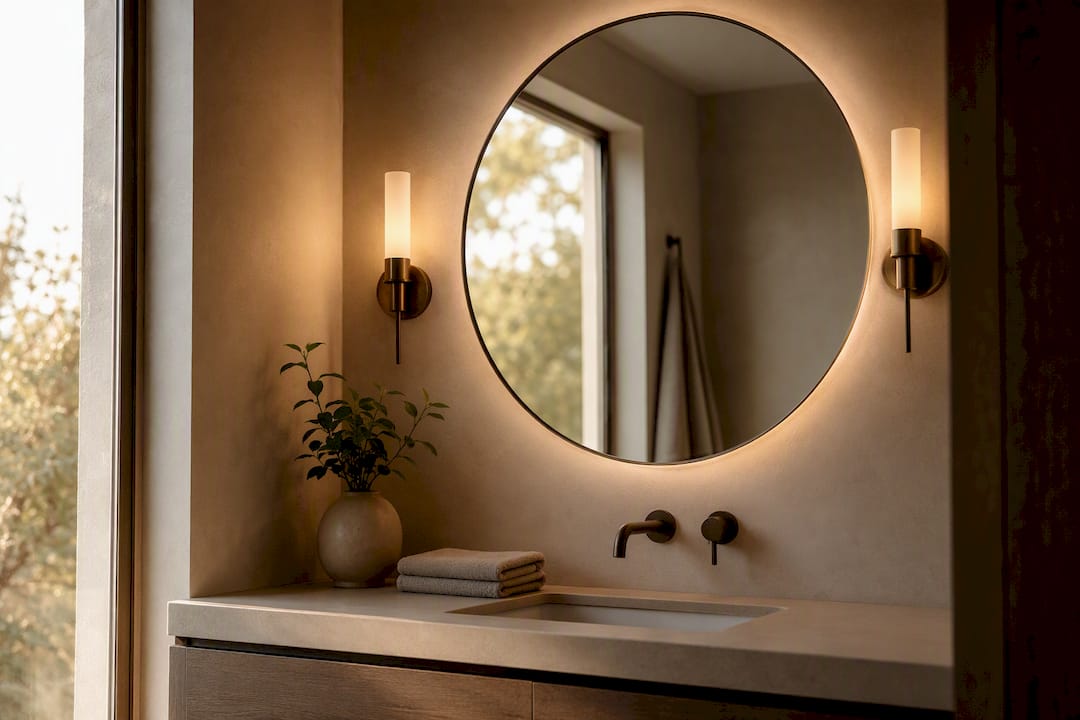
Discover the best strategies for bathroom mirror lighting to enhance your makeup and shaving routine with effective, stylish solutions.

Good living-room lighting isn’t really about making the room brighter. It’s about deciding where the light comes from, what it touches, and how you want the room to feel.

Both are warm white. Choose by the room, its materials and what you do there—not by assuming a higher Kelvin number means more light.

A room feels finished when its lighting has more than one job and more than one height.