
How to Improve Your Living-Room Lighting for Under $50
Spend on the problem you can actually see: the bulb, the control or one useful second light source.
You do not need a room makeover or a house full of smart devices. Choose the problem you want to solve, then start with one useful change.
Choose a budget, find the right bulb, and decide how warm the light should look.
Spend on the problem you can actually see: the bulb, the control or one useful second light source.

Read the box in the right order and a wall of nearly identical bulbs becomes much easier to understand.

Both are warm white. Choose by the room, its materials and what you do there—not by assuming a higher Kelvin number means more light.
Fix harsh lighting, put useful light on a book, or stop a window reflecting in the television.

Good living-room lighting isn’t really about making the room brighter. It’s about deciding where the light comes from, what it touches, and how you want the room to feel.
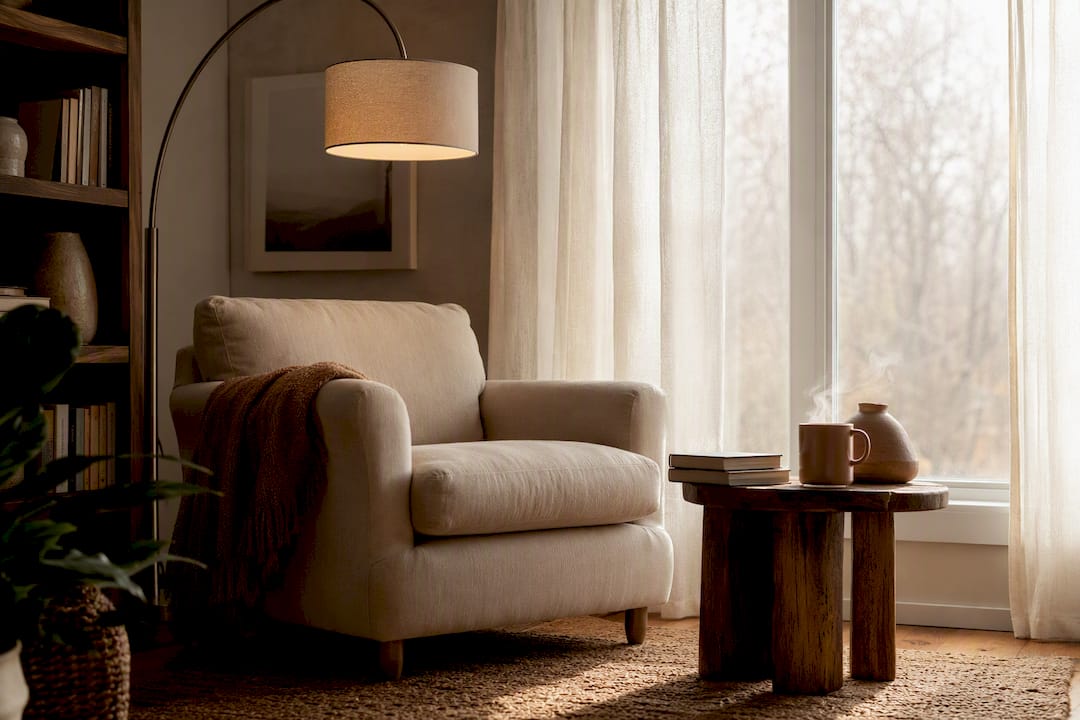
Put adjustable light on the page, keep the bulb out of your eyes and leave a little light in the room around you.
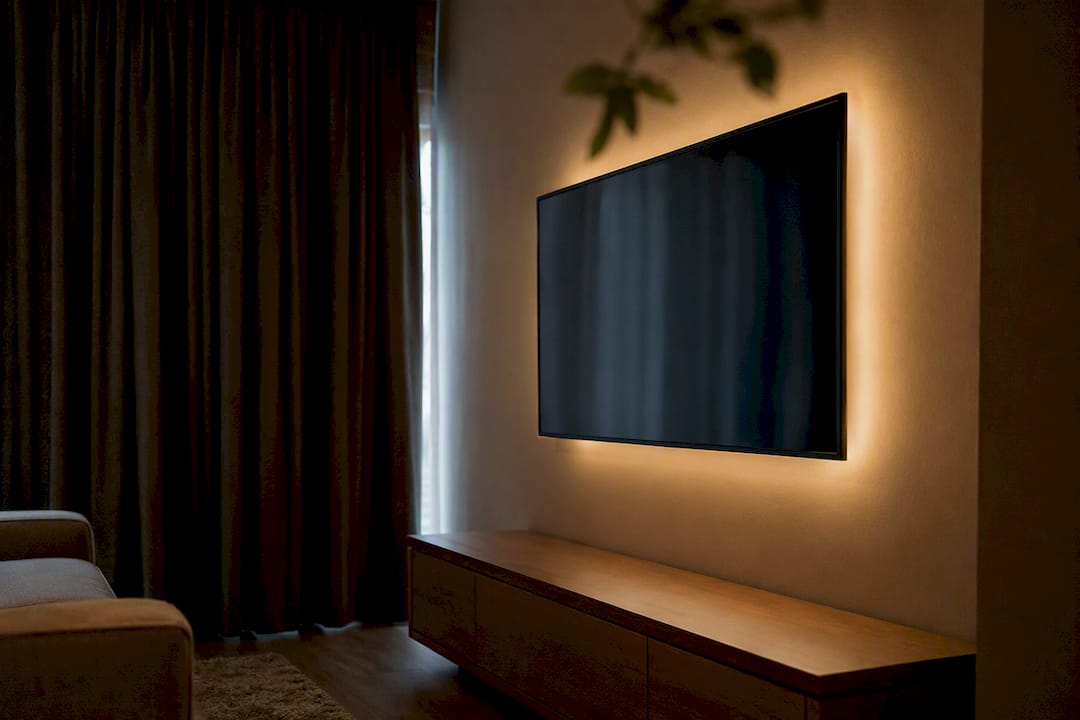
Fix the window or lamp that appears in the screen before trying to overpower it with brightness.
Compare simple lamp controls, understand compatibility labels, and find sensible uses for a smart plug.

Both can soften one lamp without rewiring, but they solve different control problems.

Matter and Thread solve different problems, so the useful question is whether your next device fits your existing home.
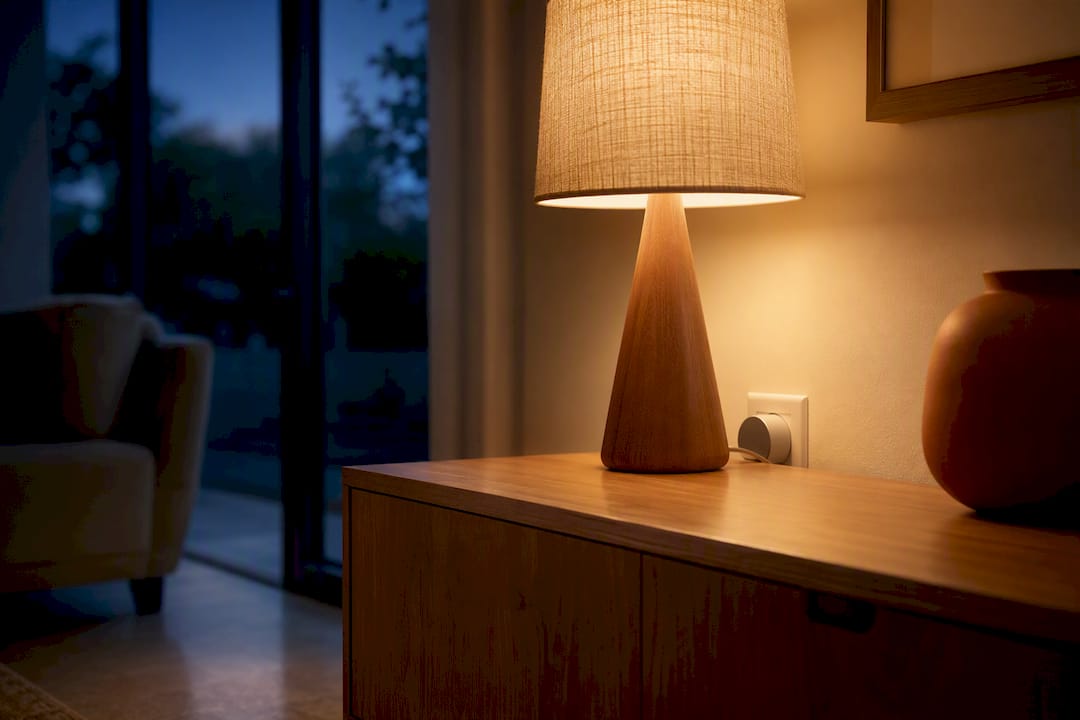
Start with lamps and seasonal lights, not heaters or essential appliances.